×
- Hello
- Login or Register
- Quick Links
- Live Chat
- Track Order
- Parts Availability
- RMA
- Help Center
- Contact Us
- Shop for
- Lexus Parts
- Lexus Accessories


My Garage
My Account
Cart
Genuine Lexus Engine Mount
Engine Motor Mount- Select Vehicle by Model
- Select Vehicle by VIN
Select Vehicle by Model
orMake
Model
Year
Select Vehicle by VIN
For the most accurate results, select vehicle by your VIN (Vehicle Identification Number).
716 Engine Mounts found
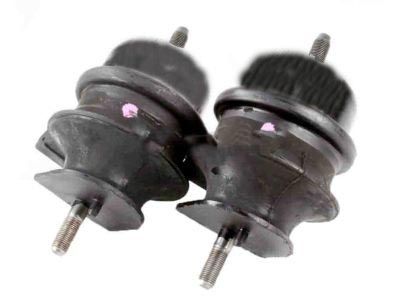
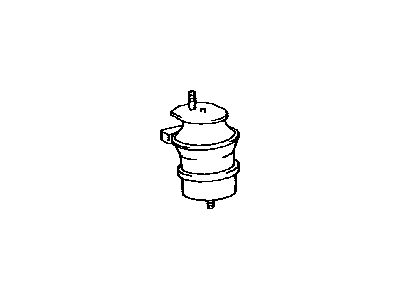
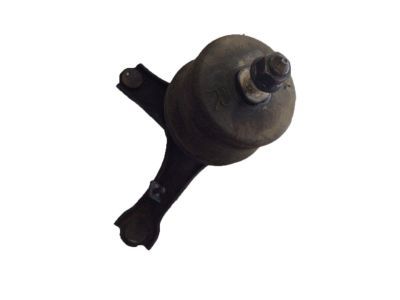
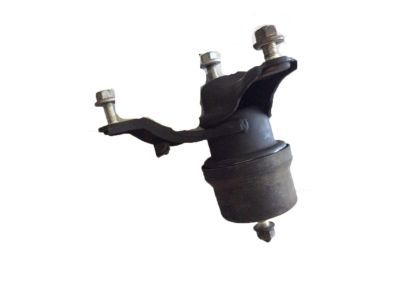
Lexus Front Engine Mounting Insulator
Part Number: 12361-50170$202.51 MSRP: $276.10You Save: $73.59 (27%)Ships in 1-3 Business DaysProduct Specifications- Other Name: Insulator, Engine Mounting, Front; Front Mount
- Position: Front
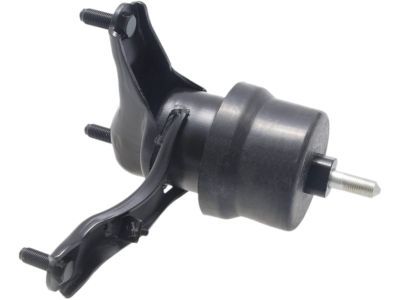
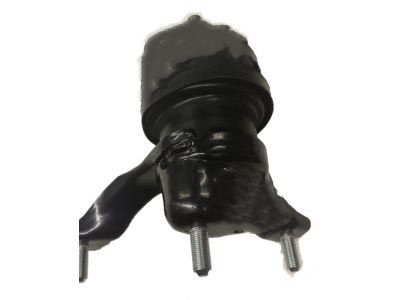
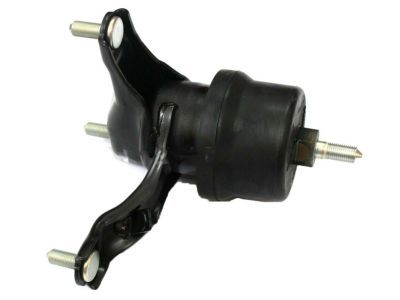
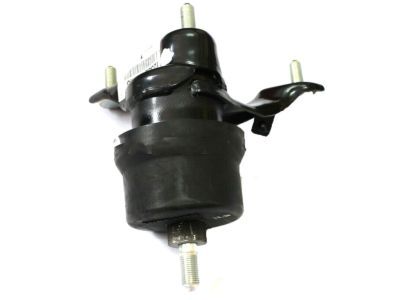
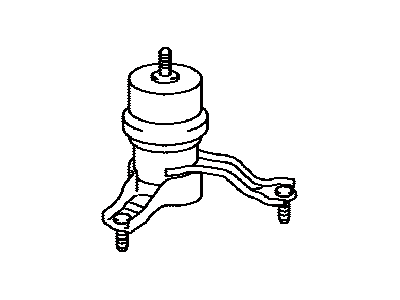
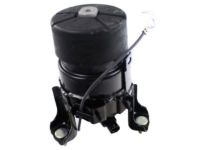
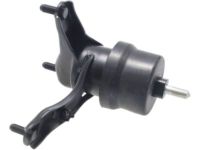
Lexus Insulator, Engine Mounting, RH(For Transverse Engine)
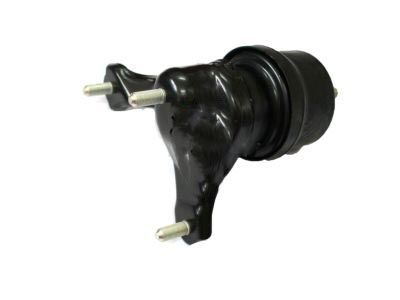
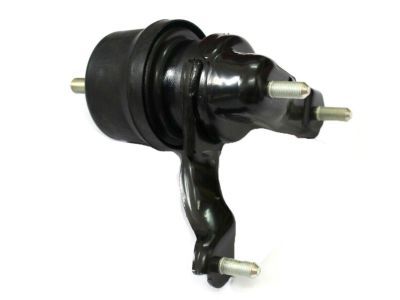
Part Number: 12362-31040$226.91 MSRP: $309.37You Save: $82.46 (27%)Ships in 1-3 Business DaysProduct Specifications- Other Name: Front Insulator, Side Mount
- Position: Passenger Side
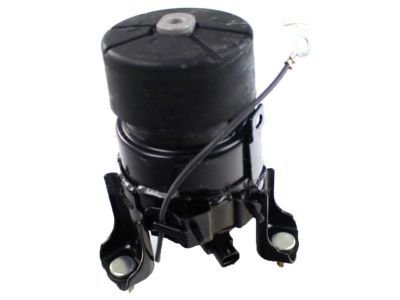
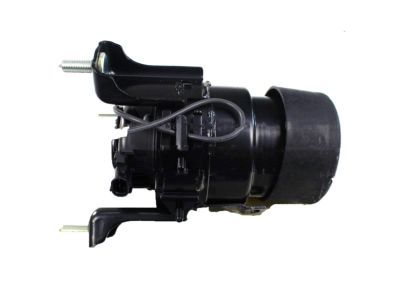
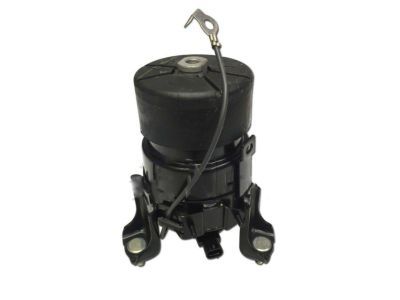
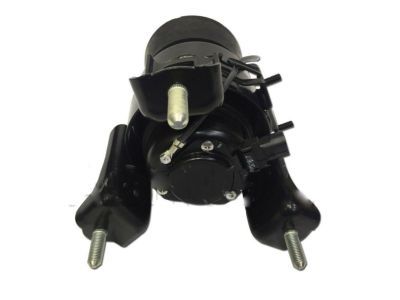
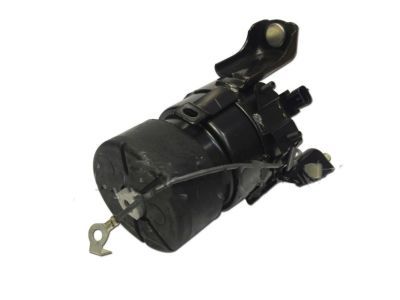
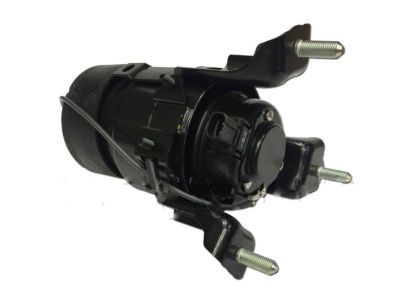
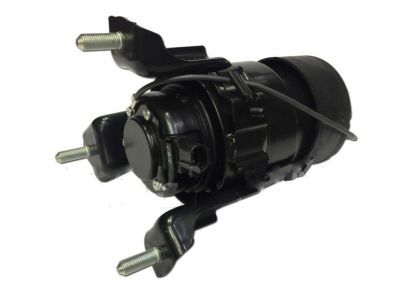
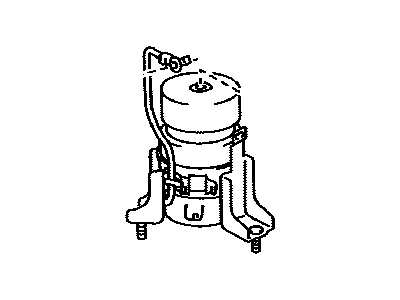
Lexus Insulator, Engine Mounting, Front(For Transverse Engine)
Part Number: 12361-31171$226.91 MSRP: $309.37You Save: $82.46 (27%)Ships in 1-3 Business DaysProduct Specifications- Other Name: Front Mount, Insulator
- Position: Front
- Replaces: 12361-31170
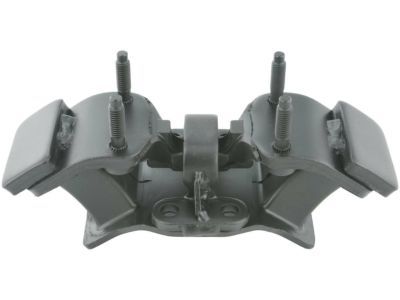
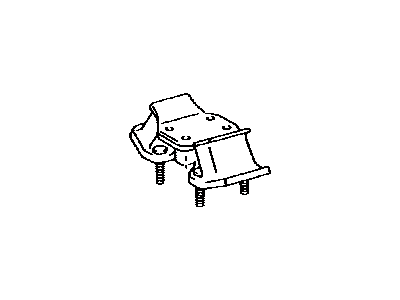
Lexus Insulator, Engine Mounting, Rear NO.1
Part Number: 12371-50170$141.51 MSRP: $192.93You Save: $51.42 (27%)Ships in 1-3 Business DaysProduct Specifications- Other Name: Rear Mount
- Position: Rear
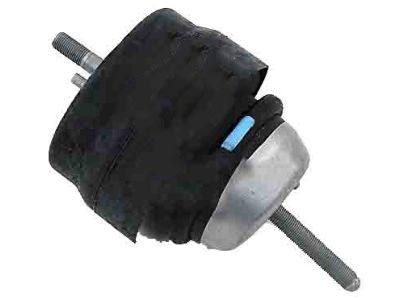
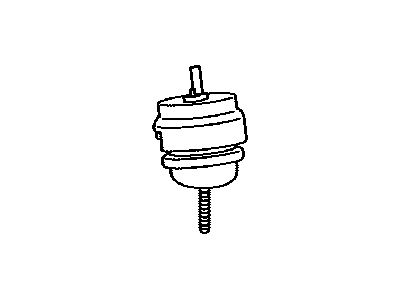
Lexus Engine Mounting Insulator
Part Number: 12361-38221$184.21 MSRP: $251.14You Save: $66.93 (27%)Ships in 1-3 Business DaysProduct Specifications- Other Name: Insulator, Engine Mounting, Front; Front Mount
- Position: Front
- Replaces: 12361-38220
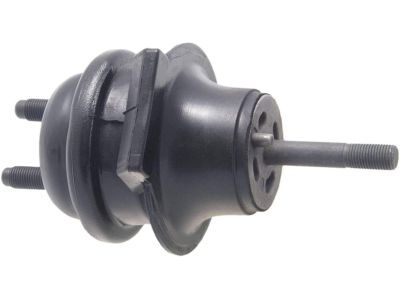
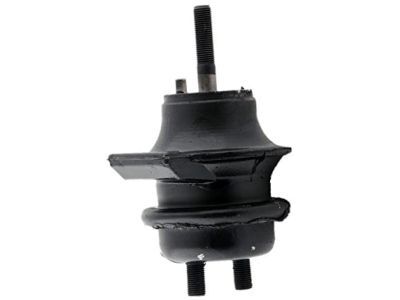
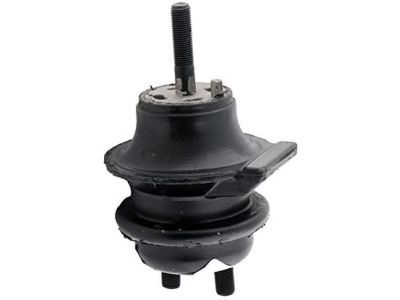
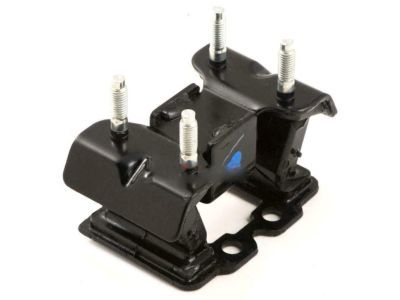
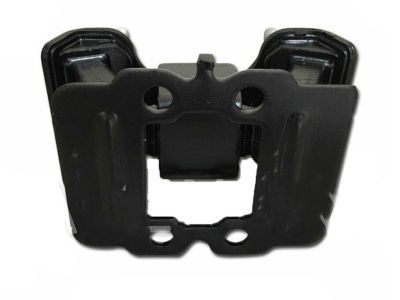
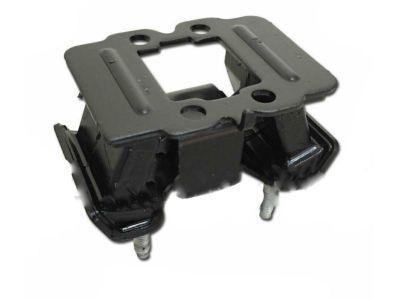
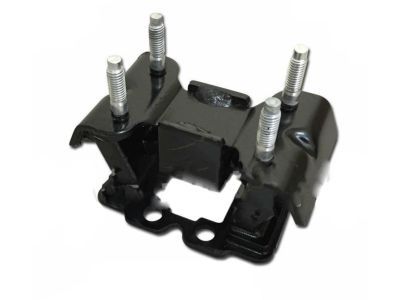
Lexus Front Engine Mounting Insulator
Part Number: 12361-46190$170.79 MSRP: $232.85You Save: $62.06 (27%)Ships in 1-2 Business DaysProduct Specifications- Other Name: Insulator, Engine Mounting, Front; Front Insulator, Mounting Insulator
- Position: Front
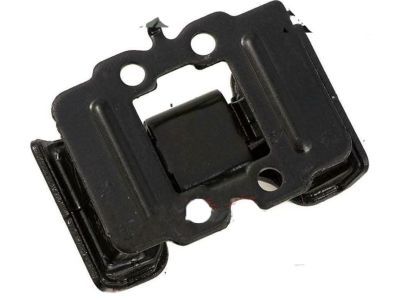
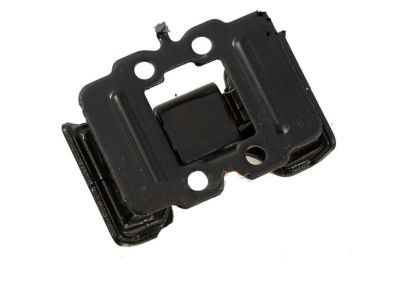
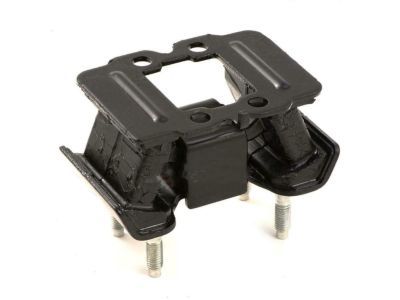
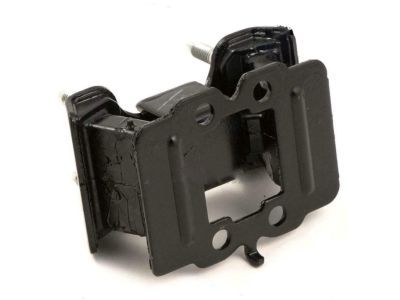
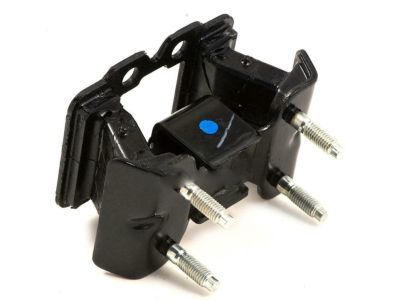
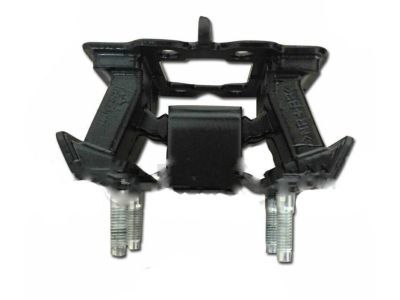
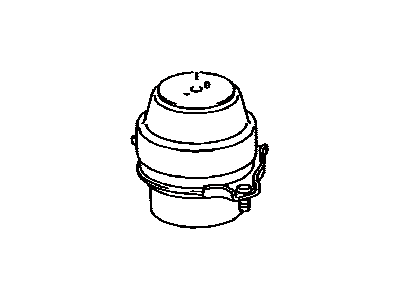
Lexus Insulator, Engine Mounting, Rear NO.1
Part Number: 12371-31070$58.74 MSRP: $78.16You Save: $19.42 (25%)Ships in 1-3 Business DaysProduct Specifications- Other Name: Rear Mount, Transmission Mount
- Position: Rear
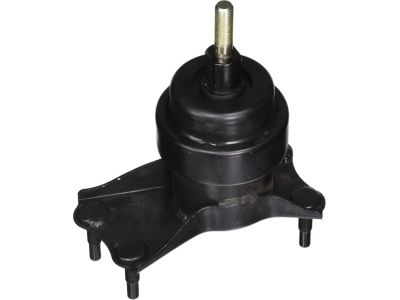
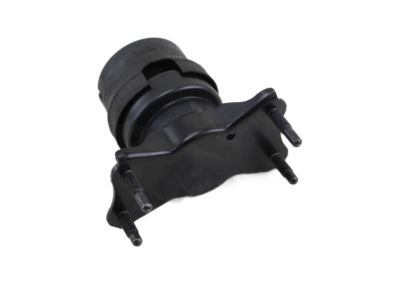
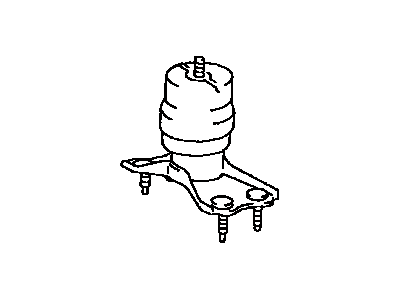
Lexus Engine Mounting Insulator
Part Number: 12371-20050$77.48 MSRP: $104.77You Save: $27.29 (27%)Ships in 1-3 Business DaysProduct Specifications- Other Name: Insulator, Engine Mounting, Rear; Rear Insulator, Rear Mount
- Position: Rear
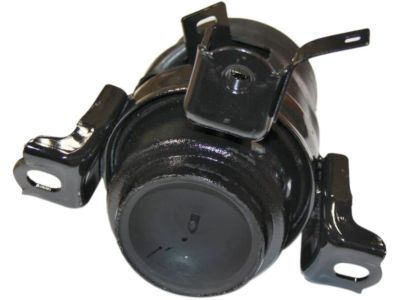
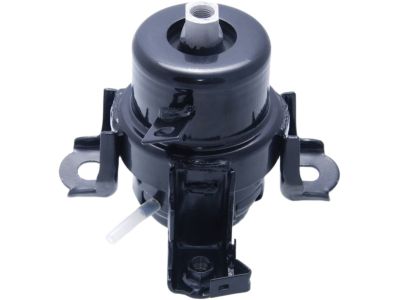
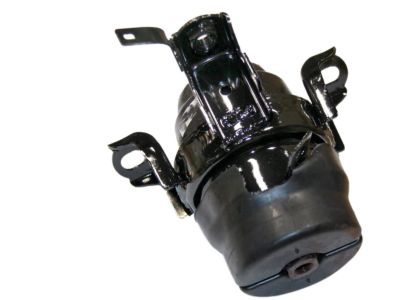
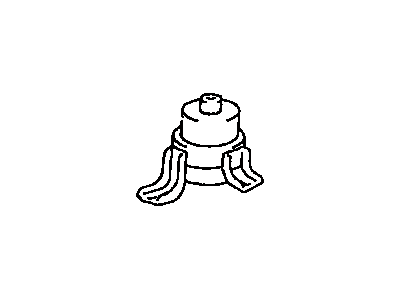
Lexus Front Engine Mounting Insulator
Part Number: 12361-20060$214.71 MSRP: $292.73You Save: $78.02 (27%)Ships in 1-3 Business DaysProduct Specifications- Other Name: Insulator, Engine Mounting, Front; Front Mount
- Position: Front
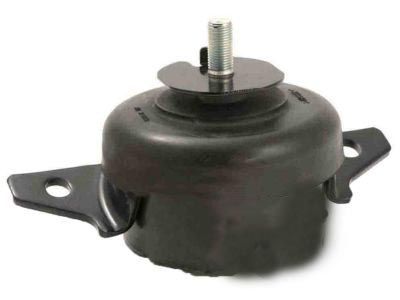
Lexus Front Engine Mounting Insulator
Part Number: 12361-50190$118.07 MSRP: $159.67You Save: $41.60 (27%)Ships in 1-3 Business DaysProduct Specifications- Other Name: Insulator, Engine Mounting, Front; Front Mount
- Position: Front
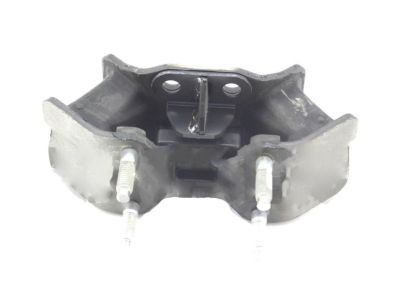
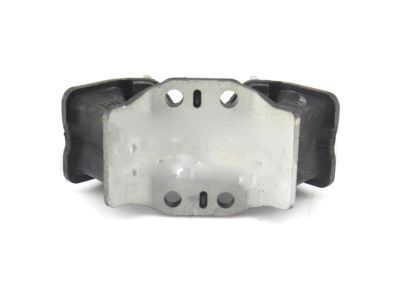
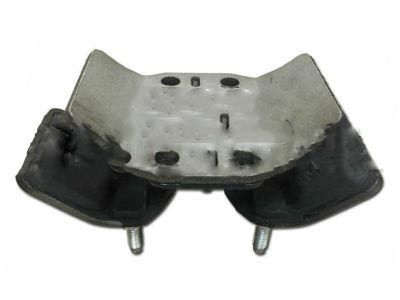
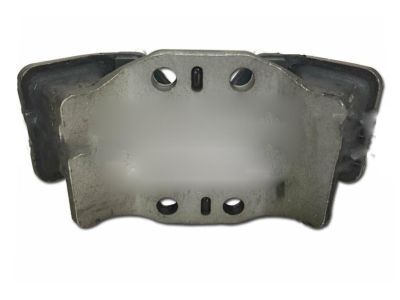
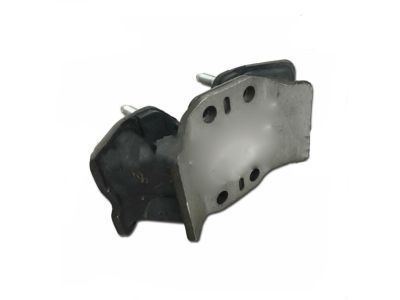
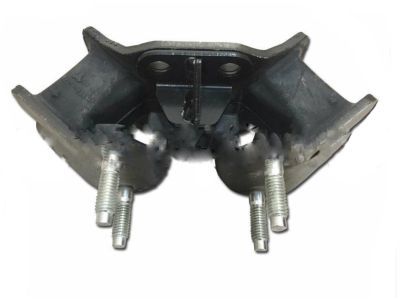
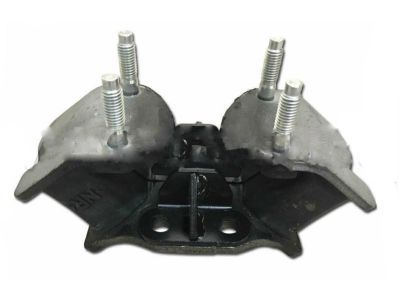
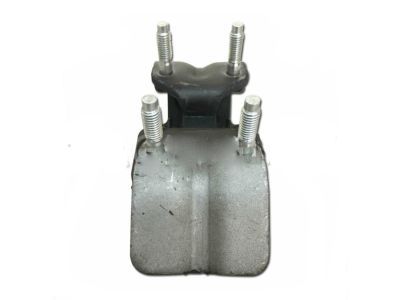
Lexus Insulator, Engine Mounting, Rear NO.1
Part Number: 12371-50060$62.72 MSRP: $84.81You Save: $22.09 (27%)Ships in 1-2 Business DaysProduct Specifications- Other Name: Rear Mount
- Position: Rear
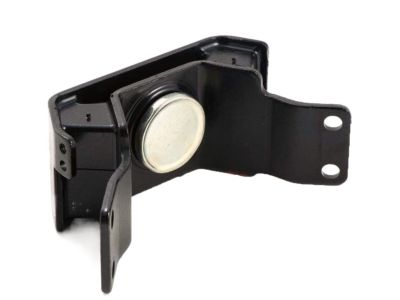
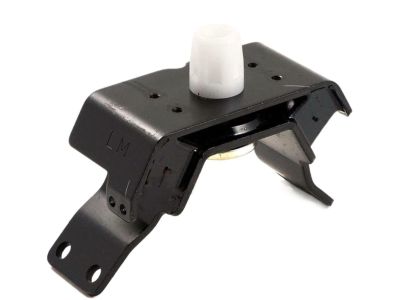
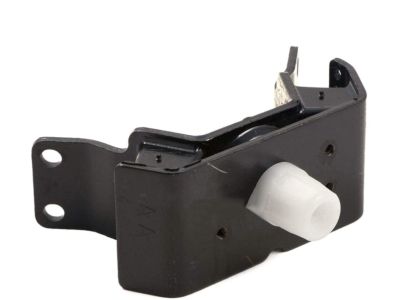
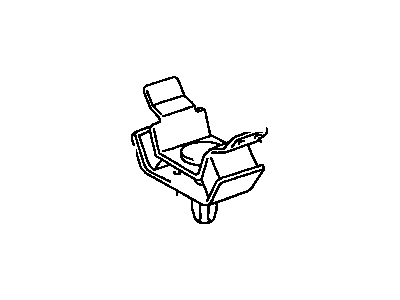
Lexus Insulator, Engine Mounting, Rear NO.1
Part Number: 12371-50150$156.15 MSRP: $212.89You Save: $56.74 (27%)Ships in 1-3 Business DaysProduct Specifications- Other Name: Rear Mount
- Position: Rear
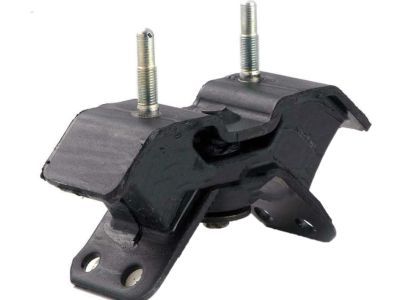
Lexus Insulator, Engine Mounting, LH(For Transverse Engine)
Part Number: 12372-20030$107.00 MSRP: $144.70You Save: $37.70 (27%)Ships in 1-3 Business DaysProduct Specifications- Other Name: Insulator, Transmission Mount
- Position: Driver Side
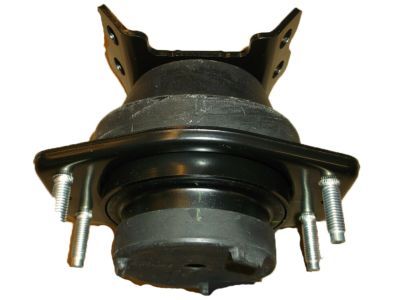
Lexus Insulator, Engine Mounting, Rear NO.1
Part Number: 12371-38050$185.43 MSRP: $252.81You Save: $67.38 (27%)Ships in 1-3 Business DaysProduct Specifications- Other Name: Rear Mount, Transmission Mount
- Position: Rear
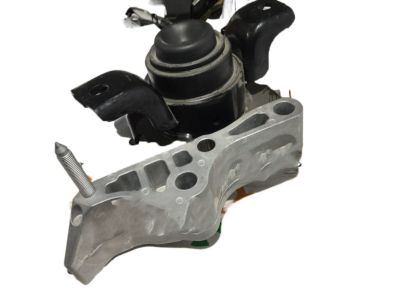
Lexus Insulator Sub-Assembly
Part Number: 12305-0P010$214.71 MSRP: $292.73You Save: $78.02 (27%)Ships in 1-3 Business DaysProduct Specifications- Other Name: Insulator Sub-Assy, Engine Mounting, RH; Side Mount
- Position: Passenger Side
- Replaces: 12305-31070
Lexus Engine Mounting Insulator
Part Number: 12371-37250$94.94 MSRP: $128.39You Save: $33.45 (27%)Ships in 1-3 Business DaysProduct Specifications- Other Name: Insulator, Engine Mounting, Rear; Rear Mount
- Position: Rear
Lexus Engine Mounting Insulator
Part Number: 12361-31430$156.15 MSRP: $212.89You Save: $56.74 (27%)Ships in 1-3 Business DaysProduct Specifications- Other Name: Insulator, Engine Mounting, Front; Front Insulator, Side Mount
- Position: Front
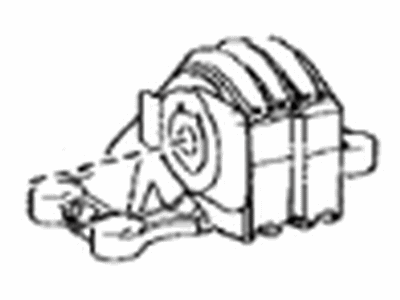
Lexus Engine Mounting Insulator
Part Number: 12372-0P060$118.07 MSRP: $159.67You Save: $41.60 (27%)Ships in 1-3 Business DaysProduct Specifications- Other Name: Insulator, Engine Mounting, LH(For Transverse Engine); Side Mount
- Position: Driver Side
- Replaces: 12372-31100
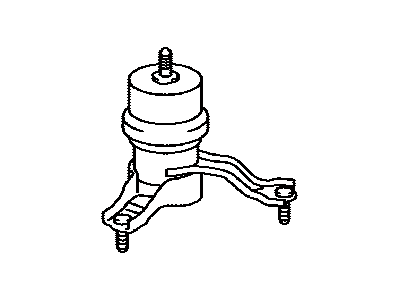
Lexus Engine Mounting Insulator
Part Number: 12362-0P051$164.93 MSRP: $224.87You Save: $59.94 (27%)Ships in 1-3 Business DaysProduct Specifications- Other Name: Insulator, Engine Mounting, RH(For Transverse Engine); Side Mount
- Position: Passenger Side
- Replaces: 12362-0P050
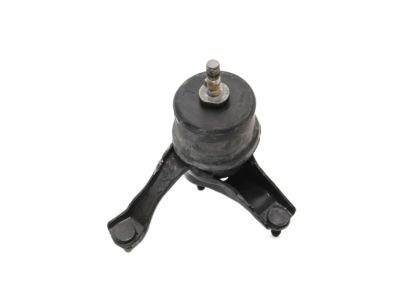
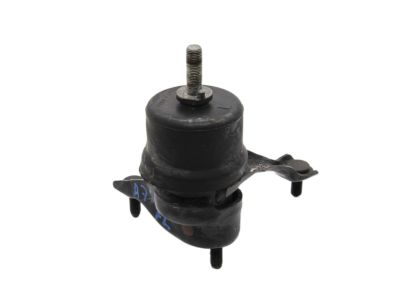
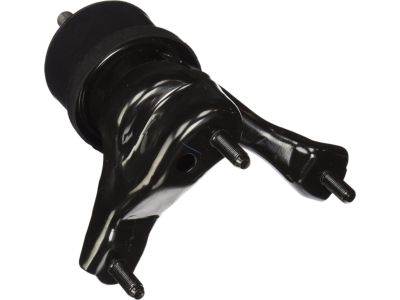
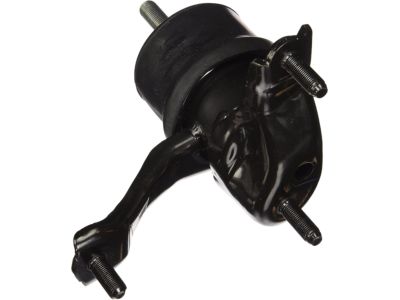
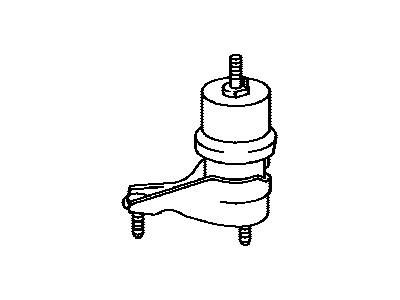
Lexus Insulator, Engine Mounting, LH(For Transverse Engine)
Part Number: 12372-0P010$174.69 MSRP: $238.18You Save: $63.49 (27%)Product Specifications- Other Name: Insulator, Side Mount
- Position: Driver Side
- Replaces: 12372-31010
| Page 1 of 36 |Next >
1-20 of 716 Results
Lexus Engine Mount Parts Questions & Experts Answers
- Q:What are the differences in the V6 engine mounts and their replacement procedures on Lexus ES300?Posted by Kiani A.A:The V6 engine mounts are slightly different but don't significantly alter the check and replacement procedures. The engine movement control rod assembly has two stays, removed by taking out two through-bolts and the control rod. V6 models have a shock absorbing mount, removed by taking out the through-bolt, nut and bushing. The rear mount differs as the bracket cradles the insulator, removed by taking out the through-bolt, raising the engine, and removing the nuts and insulator.Answered by Lexus Parts Specialist Hector / Jan 27, 2023
- Q:How to check and replace engine mounts on V6 engine on Lexus ES350?Posted by Deanna P.A:To inspect the engine mounts, lift the vehicle onto jack stands and place a jack under the engine oil pan. Also, raise the engine slightly to check the mounts for cracked or hardened rubber, or movement between the mount plates and engine. For replacement, remove the mount-to-engine bracket nut from the other mount. Install the new mount with a non-hardening thread locking compound on the bolts and nuts.Answered by Lexus Parts Specialist Tommy / May 16, 2026
- Q:How should engine mounts be checked and replaced in 3.5L V6 engine on Lexus RX350?Posted by Cezar L.A:Engine mounts are usually very reliable and usually do not need intervention; however, if they are broken or worn, they should be replaced to avoid straining or damaging driveline elements. During the check the engine should be lifted slightly off the mounts to take the weight off them. First, lift the vehicle and firmly set it on jackstands; place a jack beneath the engine oil pan and insert a large wood block between the jack top and the oil pan; then lift the engine sufficiently off its mounts to shift the load off the mounts but remain far off the drain plug area. This is more important when only supporting a particular part of the body with a jack while the rest of it is under the engine. Test for deterioration at or around the mount area by examining the mounts for crack, hard rubber and if the mounts have totally come off from the metal plates; test the relative movement between the mount plates and the engine or frame with a large screw driver or a pry bar. If any movement is observed, drop the engine and compact the mount fasteners. For replacement, the vehicle should be on jackstands and the engine should also be supported. To deinstall, uninstall the bolts, lift the engine sideways, and disconnect the mount though an engine lift or floor jack and a wooden block placed under the oil pan can be used. If only a single mount is being replaced, the other mount's nut for the mount to engine bracket should be loosened to permit enough elevation of the engine for mount removal. It is done in the reverse method as the removal, applying non-hardening thread locking compound on the mount bolts and nuts while tightening it.Answered by Lexus Parts Specialist Steven / Mar 01, 2025
Related Lexus Parts
 Lexus Oil Pump Gasket
 Lexus Engine Cover
 Lexus Exhaust Hanger
 Lexus Radiator Support
 Lexus Oil Pump
 Lexus Front Cross-Member
 Lexus Rear Crossmember
 Lexus Rocker Arm
 Lexus Engine Mount Torque Strut
 Lexus Exhaust Valve
 Lexus Floor Pan
 Lexus Intake Valve
Browse by Model
CT200h Engine Mount ES250 Engine Mount ES300 Engine Mount ES300h Engine Mount ES330 Engine Mount ES350 Engine Mount GS F Engine Mount GS Turbo Engine Mount GS200t Engine Mount GS300 Engine Mount GS350 Engine Mount GS400 Engine Mount GS430 Engine Mount GS450h Engine Mount GS460 Engine Mount GX460 Engine Mount GX470 Engine Mount GX550 Engine Mount HS250h Engine Mount IS F Engine Mount IS Turbo Engine Mount IS200t Engine Mount IS250 Engine Mount IS300 Engine Mount IS350 Engine Mount IS500 Engine Mount LC500 Engine Mount LC500h Engine Mount LFA Engine Mount LS400 Engine Mount LS430 Engine Mount LS460 Engine Mount LS500 Engine Mount LS500h Engine Mount LS600hL Engine Mount LX450 Engine Mount LX470 Engine Mount LX570 Engine Mount LX600 Engine Mount NX200t Engine Mount NX250 Engine Mount NX300 Engine Mount NX300h Engine Mount NX350 Engine Mount NX350h Engine Mount NX450h+ Engine Mount RC F Engine Mount RC Turbo Engine Mount RC200t Engine Mount RC300 Engine Mount RC350 Engine Mount RX300 Engine Mount RX330 Engine Mount RX350 Engine Mount RX350h Engine Mount RX350L Engine Mount RX400h Engine Mount RX450h Engine Mount RX450h+ Engine Mount RX450hL Engine Mount RX500h Engine Mount SC300 Engine Mount SC400 Engine Mount SC430 Engine Mount TX350 Engine Mount TX500h Engine Mount TX550h+ Engine Mount UX200 Engine Mount UX250h Engine Mount UX300h Engine Mount