×
- Hello
- Login or Register
- Quick Links
- Live Chat
- Track Order
- Parts Availability
- RMA
- Help Center
- Contact Us
- Shop for
- Lexus Parts
- Lexus Accessories


My Garage
My Account
Cart
Genuine Lexus ES300 Brake Master Cylinder
- Select Vehicle by Model
- Select Vehicle by VIN
Select Vehicle by Model
orMake
Model
Year
Select Vehicle by VIN
For the most accurate results, select vehicle by your VIN (Vehicle Identification Number).
13 Brake Master Cylinders found
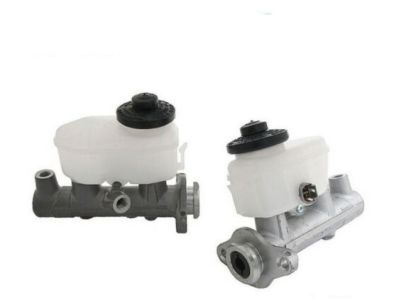
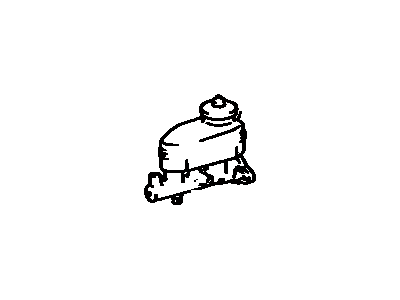
Lexus ES300 Brake Master Cylinder Sub-Assembly
Part Number: 47201-33210$219.71 MSRP: $299.55You Save: $79.84 (27%)Ships in 1-3 Business Days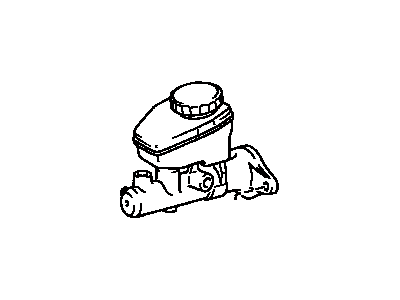
Lexus ES300 Brake Master Cylinder Sub-Assembly
Part Number: 47201-33401$249.72 MSRP: $340.47You Save: $90.75 (27%)Ships in 1-3 Business DaysLexus ES300 Brake Master Cylinder Sub-Assembly
Part Number: 47201-33410$306.04 MSRP: $417.25You Save: $111.21 (27%)Ships in 1-3 Business DaysLexus ES300 Brake Master Cylinder Sub-Assembly
Part Number: 47201-33340$248.26 MSRP: $338.48You Save: $90.22 (27%)Ships in 1-3 Business DaysLexus ES300 Brake Master Cylinder Sub-Assembly
Part Number: 47201-33130$265.07 MSRP: $367.42You Save: $102.35 (28%)Ships in 1-3 Business DaysLexus ES300 Brake Master Cylinder Sub-Assembly
Part Number: 47201-33400$214.99 MSRP: $290.73You Save: $75.74 (27%)Ships in 1-3 Business Days
Lexus ES300 Brake Master Cylinder
The Lexus ES300 Brake Master Cylinder converts pedal pressure to hydraulic force, allowing the sedan to slow and stop with confidence. Seated ahead of the vacuum booster, this Brake Master Cylinder contains twin pistons inside a cast iron or aluminum bore connected to its own circuit so that even if there is an unexpected leak in one line, the other will still be ready to stop the ES300. A pushrod is applied to move the pistons forward when the driver presses the pedal, and the fluid pressurizes the lines. Return springs are applied to pull everything back when the foot is lifted, and the reservoir is kept topped when small ports integral to the Brake Master Cylinder prevent air intrusion. Earlier units had cast-in integral reservoirs in the mid-nineties Lexus lineup, but more recently the ES300 cars typically had lighter plastic reservoirs sealed by O-rings and threaded caps, but the basic operation remains the same. Corrosion from moisture or aging seals may result in internal or external leaks, and failure within the Brake Master Cylinder is evidenced by low pedal or damp booster face, so inspecting promptly ensures safety on the Lexus stopping system. By directing the exact amount of hydraulic pressure, the Brake Master Cylinder is the heart of every Lexus ES300 brake network.
Should you need to purchase new auto parts for your vehicle, we strongly suggest you consider the genuine Lexus ES300 Brake Master Cylinder available on LexusPartsNow.com. Our OEM Lexus ES300 Brake Master Cylinder come with the reassurance of the manufacturer's warranty, a hassle-free return policy, and speedy delivery service, all at affordable prices online. Feel free to shop with confidence!
Lexus ES300 Brake Master Cylinder Parts Questions & Experts Answers
- Q:How to remove the Brake Master Cylinder on the Lexus ES300?A:Take out the Brake Master Cylinder by first unfastening the electrical connector for the brake fluid level warning switch. Next, employ a syringe to draw as much fluid as possible from the reservoir. Put rags below the fittings and have caps or plastic bags ready to cover them once they are detached. Use a flare nut wrench to slacken the fittings at both ends of the brake pipes where they go into the Brake Master Cylinder. Unplug the brake lines from the cylinder and insert stoppers at their ends to prevent contamination. Remove nuts linking up the Brake Master Cylinder with the power booster and pull it gently away from the stud bolts. When installed, bench bleed the new Brake Master Cylinder by securing it in a vise with a pair of bleeder tubes attached to its outlet ports. Fill the reservoir with recommended brake fluid and gradually push the pistons into the Brake Master Cylinder to discharge air. Repeat the process until no more air bubbles are seen. Disconnect the tubes and fit plugs into the open ports. Mount the Brake Master Cylinder onto the studs of the power Brake Booster and tighten the attaching nuts by hand. Thread the brake line fittings into the Brake Master Cylinder; fully tighten the mounting nuts then the brake line fittings. Fill the reservoir with fluid in the Brake Master Cylinder; bleed out any remaining air in the Brake Master Cylinder or brake systems. Very cautiously test that the brakes work perfectly normal before putting the vehicle into service.
Related Lexus ES300 Parts


Browse by Year
2003 Brake Master Cylinder 2002 Brake Master Cylinder 2001 Brake Master Cylinder 2000 Brake Master Cylinder 1999 Brake Master Cylinder 1998 Brake Master Cylinder 1997 Brake Master Cylinder 1996 Brake Master Cylinder 1995 Brake Master Cylinder 1994 Brake Master Cylinder 1993 Brake Master Cylinder 1992 Brake Master Cylinder