×
- Hello
- Login or Register
- Quick Links
- Live Chat
- Track Order
- Parts Availability
- RMA
- Help Center
- Contact Us
- Shop for
- Lexus Parts
- Lexus Accessories


My Garage
My Account
Cart
Genuine Lexus RX330 Cylinder Head
Head- Select Vehicle by Model
- Select Vehicle by VIN
Select Vehicle by Model
orMake
Model
Year
Select Vehicle by VIN
For the most accurate results, select vehicle by your VIN (Vehicle Identification Number).
6 Cylinder Heads found
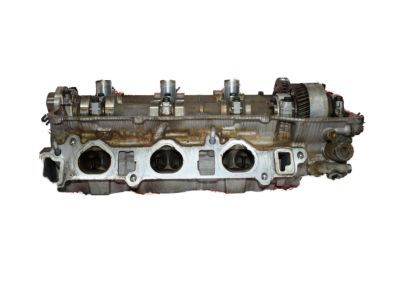
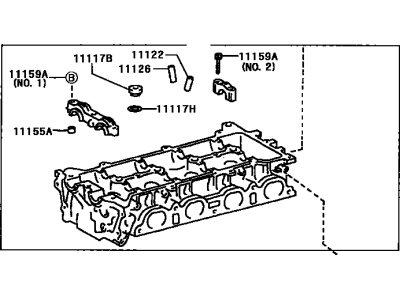
Lexus RX330 Cylinder Head Sub-Assembly
Part Number: 11101-29485$1104.23 MSRP: $1301.70You Save: $197.47 (16%)Ships in 1-3 Business Days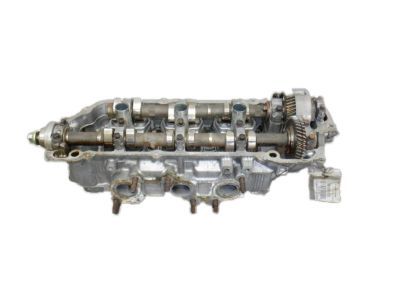
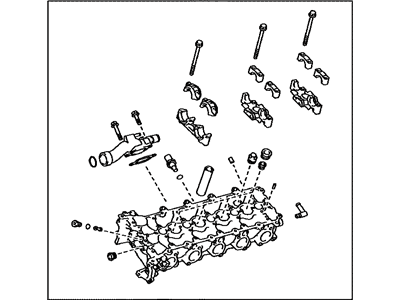
Lexus RX330 Cylinder Head Left Hand
Part Number: 11102-29075$1121.75 MSRP: $1322.35You Save: $200.60 (16%)Ships in 1-3 Business DaysLexus RX330 Cylinder Head Sub-Assembly
Part Number: 11101-39535$1306.63 MSRP: $1540.30You Save: $233.67 (16%)Ships in 1-3 Business DaysLexus RX330 Cylinder Head Sub-Assembly
Part Number: 11101-09150$1104.23 MSRP: $1301.70You Save: $197.47 (16%)Ships in 1-3 Business DaysLexus RX330 Cylinder Head Left Hand
Part Number: 11102-09050$1121.75 MSRP: $1322.35You Save: $200.60 (16%)Ships in 1-3 Business DaysLexus RX330 Cylinder Head Left Hand
Part Number: 11102-39055$1305.18 MSRP: $1538.58You Save: $233.40 (16%)Ships in 1-3 Business Days
Lexus RX330 Cylinder Head
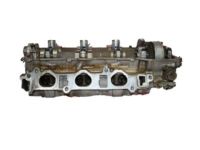
Lexus RX330 Cylinder Head is the sealed roof of each combustion chamber, which enables the V6 engine to breathe efficiently while ensuring compression is maintained and fluids are separated. Inside the head, intake and exhaust passages conduct air-fuel mixture in and spent gases out, and spark plugs fire up the charge, so any warping, cracking, or worn valves quickly reduce power or cause misfires. To ensure that it forms a tight seal against the block, torque is utilized to produce head bolts that stretch precisely to their yield point to provide even clamping that maintains the head gasket, ensuring no coolant mixes with the engine oil and preventing the engine from overheating. Over the production run, the Lexus RX330 applied a lightweight aluminum Cylinder Head instead of the heavier cast iron, reducing mass, allowing heat to be spread more quickly and enabling a higher compression ratio without knock. This aluminum Cylinder Head is strengthened in important areas to allow port contours to be increased for improved airflow without compromising coolant passages. Common trouble signs in any Lexus head are burnt valves that cause a cylinder to go dead and gasket failures that let combustion gases escape or fluids cross paths. Drivers of an RX330 benefit when restriction is minimized as a freely breathing Cylinder Head is a direct translation to dependable horsepower. Modern Lexus engineering around this Cylinder Head focuses on longevity, precise sealing, and efficient breathing, making the RX330 a smooth and durable performer.
Should you need to purchase new auto parts for your vehicle, we strongly suggest you consider the genuine Lexus RX330 Cylinder Head available on LexusPartsNow.com. Our OEM Lexus RX330 Cylinder Head come with the reassurance of the manufacturer's warranty, a hassle-free return policy, and speedy delivery service, all at affordable prices online. Feel free to shop with confidence!
Lexus RX330 Cylinder Head Parts Questions & Experts Answers
- Q:How to remove and install the cylinder head in Four cylinder engine on Lexus RX330?Posted by Cemil F.A:For vehicles with 1999 through 2007 models, start by lowering the fuel system pressure and cutting the negative battery cable. Empty out the coolant in the engine, then take off the drivebelt and alternator. Start by removing the valve cover, throttle body, fuel injectors, and fuel rail. Then take away the intake manifold and exhaust manifold. Support your engine's bottom with a jack on the floor and pieces of wood after taking off from the pressed oil pan part. Then remove the Timing Chain and camshaft sprockets. Follow the steps: disconnect the valve timing control valve, take note, unhook the cooling hoses and wiring from the cylinder head, work to unscrew the cylinder head bolts by hand in 1/4-turn additions in reverse order of how you tightened them. Take the cylinder head off the engine block, using a little extra force when needed, then pull out any leftover components to clean and check. Before putting the pieces together, clean the connection area using a gasket scraper and brake cleaner spray applied to both the base of the engine block and top of the cylinder head. Push flat shop towels inside the cylinders to block debris. Clean up loose materials with a canister vacuum tool. Look for damage on the block and cylinder head connection points, fixing anything found. Push a new tap into the holes in the cylinder head bolts, clean them with compressed air, and remove any dings. Place the taken-out parts back in place, lay the gasket over the block dowels, and put silicone adhesive on both ends of the gasket. Turn on your engine oil, set the cylinder head carefully on top of the block, then slide new bolts through until they're finger-tight, following the correct order. Set the parts back in place, starting with the last part you took out. Leave the engine off for at least four hours before oiling it, including coolant. To finish, look at and fix valve settings when needed, empty used oil from both the engine and filter, add transmission fluid to 4WD vehicles, pump fresh coolant in, and turn on the engine to see if any fluid is leaking out.Answered by Lexus Parts Specialist Hector / Jan 24, 2023
Related Lexus RX330 Parts
 Lexus RX330 Cylinder Head Gasket
 Lexus RX330 Camshaft
 Lexus RX330 Cylinder Head Bolts
 Lexus RX330 Rocker Arm
 Lexus RX330 Spool Valve
 Lexus RX330 Timing Cover