×
- Hello
- Login or Register
- Quick Links
- Live Chat
- Track Order
- Parts Availability
- RMA
- Help Center
- Contact Us
- Shop for
- Lexus Parts
- Lexus Accessories


My Garage
My Account
Cart
This part fits
2001 Lexus LS430 United States Of America; UCF30L-AEAGKA
Check another vehicle- The location this part fits: Front Passenger Side, Front Driver Side
- Production Date: 08/2000-07/2003
- Fitting Vehicle Options: UCF30
Lexus 48510-59355 Front Shock Absorber Assembly Left Hand
2001-2004 Lexus LS430 4851059355
Customer Questions & Expert Answers (2)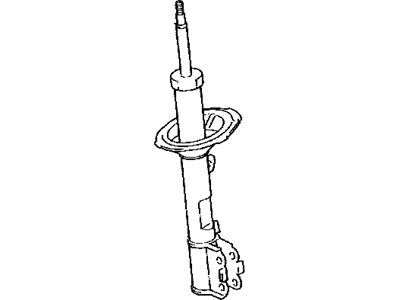
- Part DescriptionAbsorber Assy, Shock, Front
- MARK 48510-50120
- Replaced By
- ManufacturerLexus
This part fits
2001 Lexus LS430 United States Of America; UCF30L-AEAGKA
Check another vehicle- The location this part fits: Front Passenger Side, Front Driver Side
- Production Date: 08/2000-07/2003
- Fitting Vehicle Options: UCF30
$188.18 MSRP: $254.48
You Save: $66.30 (27%)
Ships in 1-3 Business Days
1
- Related Parts
- Specifications
- Q&A
Product Specifications
Brand Genuine Lexus Manufacturer Part Number 48510-59355 Part Description Absorber Assy, Shock, Front Manufacturer Note MARK 48510-50120 Item Weight 6.90 Pounds Condition New Fitment Type Direct Replacement Manufacturer Lexus SKU 48510-59355 Warranty This genuine Lexus part is guaranteed by Lexus's factory warranty. Shipping & Return Shipping Policy Return Policy Warning: California's Proposition 65Customer Questions & Expert Answers
- Q:I am trying to confirm fitment Posted by LexusPartsNow Specialist
- A:You can Select Your Vehicle to check if 48510-59355 fits your vehicle.Posted by LexusPartsNow Specialist
- Installation and Repair Tips by AI Expert
- Removal steps 1. Park on level ground, chock wheels, wear eye protection and gloves, and loosen the wheel lug nuts while vehicle is on the ground. 2. Safely raise the vehicle and support it on quality jack stands placed at manufacturer-recommended support points. 3. Disconnect the negative battery terminal and wait the manufacturer-recommended time before working (commonly several minutes); if SRS components are nearby follow SRS procedures. 4. Remove the wheel to access the strut area. 5. Inspect and photograph or label any electrical connectors, height/level sensors, brake or ABS lines, and vacuum/air lines attached near the strut housing. 6. Disconnect and stow any electrical connectors and sensor wires; unplug only connectors required for strut removal and protect them from dirt. 7. Support the lower suspension (control arm/knuckle/axle) with a jack or stand so the suspension load is held when fasteners are removed. 8. Separate any suspension links or sway bar end links that attach to the strut housing if applicable; note that designs vary and some links may require two wrenches or special tools. 9. Remove the fasteners that secure the upper strut mount (access and orientation vary by vehicle) and keep hardware organized. 10. Remove the fasteners that secure the lower strut-to-knuckle connection and gently lower or maneuver the assembly free of the vehicle. 11. Extract the strut housing assembly; take care around brake lines, ABS sensor wiring, and boots to avoid damage. 12. Inspect mounting surfaces, studs, and surrounding components for wear, corrosion, or damage before installing a replacement. Installation steps 1. If the coil spring or mount must be transferred, use a proper spring compressor and follow safety procedures - compressed springs are hazardous. 2. Compare the new or rebuilt strut housing to the removed unit and transfer any required components (mounts, bearings, heat shields, sensors) as needed. 3. Position the strut housing into the chassis and start the upper fasteners by hand to hold it in place; exact access points vary by design. 4. Align the lower strut with the steering knuckle or lower suspension member and install the lower fasteners loosely so the assembly can be final-aligned before tightening. 5. Reattach any sway bar links, control links, brackets, and sensor wiring; ensure hoses and wires are routed without pinching or excessive tension. 6. Tighten all strut fasteners to manufacturer specifications (do not guess torque); reinstall any splash shields or heat shields removed earlier. 7. Reinstall the wheel, lower the vehicle to the ground, and torque the wheel lug nuts to the vehicle manufacturer's specification. 8. Reconnect the negative battery terminal and allow any vehicle systems the recommended time to reinitialize; if suspension height or ride sensors were disconnected, perform required calibrations per manufacturer instructions. 9. Verify brake function (pump pedal if needed) before driving, then perform a cautious test drive checking for unusual noises, steering pull, or ride irregularities. 10. Have a professional wheel alignment performed after strut housing replacement and confirm any sensor calibrations were completed. Repair tip 1. Keep fasteners and small parts organized and mark strut orientation; replace worn rubber mounts, bump stops, and fasteners while the assembly is apart to prevent repeat removal.
- Q:
Why choose Lexus Parts Now
- Dedicated Service
Your complete satisfaction is our #1 goal
- Lowest Prices
Best deals on genuine OE parts from dealerships
- Fast Delivery
Orders are processed and delivered promptly