×
- Hello
- Login or Register
- Quick Links
- Live Chat
- Track Order
- Parts Availability
- RMA
- Help Center
- Contact Us
- Shop for
- Lexus Parts
- Lexus Accessories


My Garage
My Account
Cart
This part fits
2011 Lexus GX460
Check another vehicle- Production Date: 11/2009-08/2013
- Fitting Vehicle Options: URJ150
Lexus 44412-35370 Power Steering Return Hose
2010-2023 Lexus GX460 4441235370
Customer Questions & Expert Answers (1)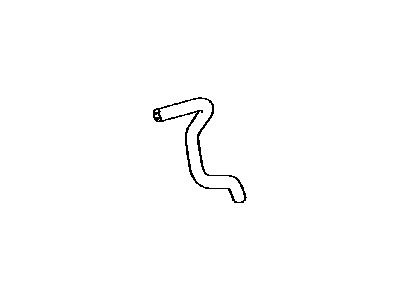
- Part DescriptionHose, Return
- Part Name Code44412
- ManufacturerLexus
This part fits
2011 Lexus GX460
Check another vehicle- Production Date: 11/2009-08/2013
- Fitting Vehicle Options: URJ150
$41.24 MSRP: $54.87
You Save: $13.63 (25%)
Ships in 1-3 Business Days
1
- Related Parts
- Specifications
- Q&A
Product Specifications
Brand Genuine Lexus Part Name Code 44412 Manufacturer Part Number 44412-35370 Part Description Hose, Return Other Names Return Hose Item Dimensions 13.4 x 5.6 x 2.3 inches Item Weight 0.70 Pounds Condition New Fitment Type Direct Replacement Manufacturer Lexus SKU 44412-35370 Warranty This genuine Lexus part is guaranteed by Lexus's factory warranty. Shipping & Return Shipping Policy Return Policy Warning: California's Proposition 65Customer Questions & Expert Answers
- Installation & Repair Tips by AI Expert
- Removal steps 1. Park on level ground, engage parking brake, chock wheels, and wear safety glasses and gloves. 2. Raise and support the vehicle securely if needed for access using jack stands; do not rely on a jack alone. 3. Disconnect the negative battery cable to remove electrical power before working near wiring or sensors. 4. Place a suitable drain pan beneath the steering gear and hose connections to catch fluid. 5. Relieve any residual system pressure per the vehicle's service information if required; procedures vary by design. 6. Remove or move any covers, splash shields, or components that block access to the hose - locations and fasteners vary by vehicle. 7. Loosen the hose fittings using the appropriate line wrench(s) and allow fluid to drain; be prepared to cap or plug open fittings immediately to limit contamination and spillage. 8. Detach hose clamps, brackets, and retaining hardware securing the hose to the chassis or steering gear; these attachment points vary by model. 9. Carefully remove the hose without twisting or bending it excessively, noting routing and orientation for installation. 10. Inspect fittings, O-rings/seals, and nearby components and replace any damaged parts or seals. Installation steps 1. Compare the new hose to the removed hose to confirm length, fittings, and orientation before installation. 2. Install new seals or O-rings where required and lightly lubricate them with clean power steering fluid; do not reuse old seals. 3. Route the new hose along the original path, avoiding sharp edges, heat sources, or pinch points, and secure it with the original clamps and brackets. 4. Thread fittings by hand to avoid cross-threading, then snug them with the correct wrench; final torque must be set to manufacturer specifications (do not guess torque). 5. Reinstall any covers or components removed for access. 6. Reconnect the negative battery cable. 7. Refill the power steering reservoir with the correct fluid type to the proper level per the vehicle's recommendation. 8. Bleed the power steering system to remove air - procedures vary, but commonly include turning the steering wheel lock-to-lock with the engine off, then starting the engine and repeating until no air is present; follow the vehicle-specific bleeding method if available. 9. Check all connections and hoses for leaks and verify proper fluid level after bleeding; top up as needed. 10. Lower the vehicle, road-test at low speed while checking for steering performance and leaks, then recheck fluid level and fittings. Repair tip: Use a flare/line wrench to protect fittings, keep work area clean to avoid contaminating the system, and always replace any crush washers or O-rings with new parts.