×
- Hello
- Login or Register
- Quick Links
- Live Chat
- Track Order
- Parts Availability
- RMA
- Help Center
- Contact Us
- Shop for
- Lexus Parts
- Lexus Accessories


My Garage
My Account
Cart
This part fits
2007 Lexus LS460 (VIN: JTHGL46FX75007283) 8 Cyl 4.6L DOHC EFI; Automatic Transmission; USF41L-AEZGHA
Check another vehicle- Fitting Vehicle Options: USF4#
Lexus 44200-50210 Power Steering Link Assembly
2007-2012 Lexus LS460 4420050210
Customer Questions & Expert Answers (2)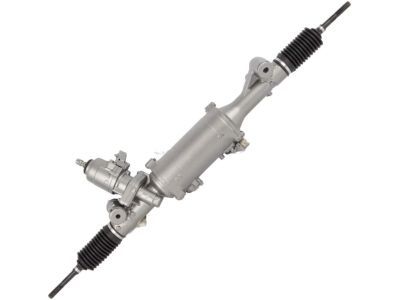
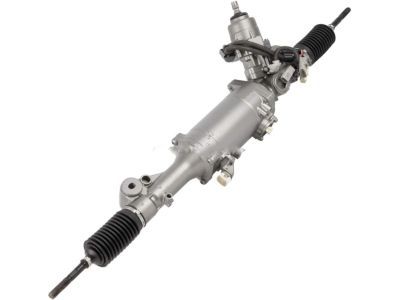
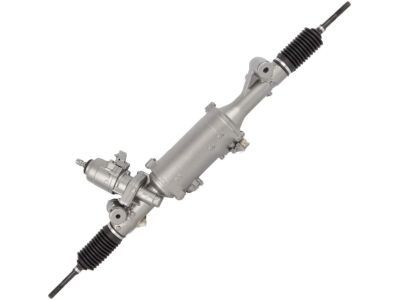
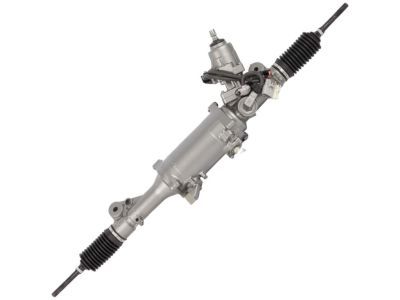
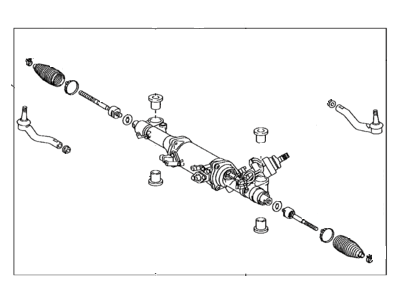
- Part DescriptionLink Assy, Power Steering
- SUSPENSION-AIR SUSPENTION
- Part Name Code44200
- Replaced By
- ManufacturerLexus
This part fits
2007 Lexus LS460 (VIN: JTHGL46FX75007283) 8 Cyl 4.6L DOHC EFI; Automatic Transmission; USF41L-AEZGHA
Check another vehicle- Fitting Vehicle Options: USF4#
$2498.98 MSRP: $3463.92
You Save: $964.94 (28%)
Ships in 1-3 Business Days
1
- Related Parts
- Specifications
- Q&A
Product Specifications
Brand Genuine Lexus Part Name Code 44200 Manufacturer Part Number 44200-50210 Part Description Link Assy, Power Steering Manufacturer Note SUSPENSION-AIR SUSPENTION Item Dimensions 66.2 x 11.6 x 8.1 inches Item Weight 55.00 Pounds Condition New Fitment Type Direct Replacement Manufacturer Lexus SKU 44200-50210 Warranty This genuine Lexus part is guaranteed by Lexus's factory warranty. Shipping & Return Shipping Policy Return Policy Warning: California's Proposition 65Customer Questions & Expert Answers
- Q:I am trying to confirm fitment. Posted by LexusPartsNow Specialist
- A:You can Select Your Vehicle to check if 44200-50210 fits your vehicle.Posted by LexusPartsNow Specialist
- Installation and Repair Tips by AI Expert
- Removal: 1. Park on a level surface, chock rear wheels, raise vehicle safely and support on jack stands or use a lift. 2. Disconnect the negative battery terminal and wait the manufacturer-recommended time before working - steering column/airbag circuits are high-risk. 3. Center the steering wheel and mark the relationship between the steering wheel, intermediate shaft, and rack splines for reassembly. 4. Remove the front wheels to gain access to the rack and tie rods. 5. If the rack uses hydraulic lines, place a drain pan, loosen and remove the pressure/return lines at the rack, then cap or plug lines to limit contamination and fluid loss. 6. Disconnect any electrical connectors at the rack (electric power assist or position sensors) and unclip harness retainers. 7. Separate the outer tie rod ends from the steering knuckles using an appropriate puller; support control arms to avoid shock loading. 8. Disconnect the intermediate/steering shaft coupling from the rack, keeping alignment marks visible. 9. Support the rack assembly, remove the mounting fasteners attaching the rack to the vehicle subframe/crossmember, and carefully lower the rack clear of the vehicle while noting hose and wiring routing. Installation: 1. Compare the replacement rack to the removed unit to confirm orientation and transferred components (brackets, clamps, fittings). 2. Position the rack into place, route hoses and wiring as originally found, and support it while loosely installing mounting fasteners. 3. Reconnect the intermediate/steering shaft coupling using the alignment marks made earlier. 4. Reattach outer tie rod ends to the steering knuckles and secure connections per manufacturer guidance. 5. Reconnect hydraulic lines with new seals/clamps as needed, and secure electrical connectors and harness clips. 6. Tighten rack mounting fasteners, line fittings, and steering connections to manufacturer specifications (do not guess torque values). 7. Reinstall the front wheels and lower the vehicle to the ground. 8. Reconnect the negative battery terminal and wait the recommended time before powering systems. 9. If hydraulic, refill the power steering reservoir and bleed the system according to procedure; if electric, perform required calibration/zeroing with a scan tool if prompted. 10. Inspect for leaks, verify smooth steering operation at rest and low speed, and have a professional wheel alignment performed before normal driving. Repair tip: 11. Replace torn boots, worn inner tie rods, and any old hose clamps while you have access; preserve alignment marks to reduce required steering re-centering work.
- Q:
Why choose Lexus Parts Now
- Dedicated Service
Your complete satisfaction is our #1 goal
- Lowest Prices
Best deals on genuine OE parts from dealerships
- Fast Delivery
Orders are processed and delivered promptly