×
- Hello
- Login or Register
- Quick Links
- Live Chat
- Track Order
- Parts Availability
- RMA
- Help Center
- Contact Us
- Shop for
- Lexus Parts
- Lexus Accessories


My Garage
My Account
Cart
This part fits
2001 Lexus LS430 United States Of America; UCF30L-AEAGKA
Check another vehicle- The location this part fits: Passenger Side, Driver Side
- Production Date: 08/2000-07/2003
- Fitting Vehicle Options: UCF30
Lexus 48131-50130 Front Coil Spring
2001-2004 Lexus LS430 4813150130
Customer Questions & Expert Answers (2)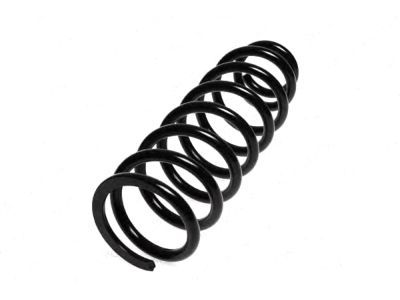
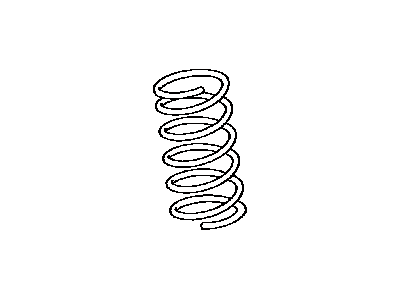
- Part DescriptionSpring, Front Coil
- SPORT PACKAGE
- PositionFront
- ManufacturerLexus
- Manufacturer's NotesThis part is discontinued.
This part fits
2001 Lexus LS430 United States Of America; UCF30L-AEAGKA
Check another vehicle- The location this part fits: Passenger Side, Driver Side
- Production Date: 08/2000-07/2003
- Fitting Vehicle Options: UCF30
- Related Parts
- Specifications
- Q&A
Product Specifications
Brand Genuine Lexus Manufacturer Part Number 48131-50130 Part Description Spring, Front Coil Other Names Coil Spring, Spring Manufacturer Note SPORT PACKAGE Item Weight 7.10 Pounds Position Front Condition New Fitment Type Direct Replacement Manufacturer Lexus SKU 48131-50130 Warranty This genuine Lexus part is guaranteed by Lexus's factory warranty. Shipping & Return Shipping Policy Return Policy Warning: California's Proposition 65Customer Questions & Expert Answers
- Q:I am trying to confirm fitment Posted by LexusPartsNow Specialist
- A:You can Select Your Vehicle to check if 48131-50130 fits your vehicle.Posted by LexusPartsNow Specialist
- Installation and Repair Tips by AI Expert
- Removal: 1. Park on a level surface, set the parking brake, chock the wheels, wear eye protection and gloves. 2. Disconnect the negative battery cable and wait a few minutes before working near electrical/SRS components. 3. Slightly loosen the wheel lug nuts while the vehicle is on the ground. 4. Raise the vehicle with a jack and support it securely on jack stands at manufacturer-recommended support points. 5. Remove the wheel to access the suspension. 6. Support the suspension arm or subframe with a transmission jack or floor jack so the spring load can be safely relieved. 7. Disconnect or unbolt any suspension linkages or components that must be moved to free the spring or strut assembly (this step commonly varies by design). 8. If the spring is part of a strut assembly, either remove the entire strut or use a proper spring compressor to control the coil before separating the spring from the strut; follow the compressor tool instructions exactly. 9. Carefully release spring preload only with a certified coil spring compressor; never remove a loaded spring by hand. 10. Remove the spring and any isolators or seats; inspect surrounding components for wear or damage. Installation: 1. Verify the replacement spring matches the removed spring and inspect isolators and seats; replace worn parts. 2. If required, compress the spring with a proper compressor and install it into the strut or spring seat following the tool manufacturer's procedure. 3. Reinstall any removed suspension components and fasteners in the reverse order of removal, starting all fasteners by hand. 4. Lower the suspension so the spring is seated and supporting the load, then tighten suspension fasteners to the vehicle manufacturer's torque specifications using a calibrated torque wrench. 5. Slowly and evenly release the spring compressor after confirming correct spring placement. 6. Reinstall the wheel, lower the vehicle to the ground, and tighten lug nuts to the proper torque. 7. Reconnect the negative battery cable. 8. Perform basic tests: bounce each corner to check for correct seating and damping, listen for unusual noises, and drive slowly to confirm normal operation. 9. Have a wheel alignment performed if ride height, control arm geometry, or steering components were disturbed. Repair tip: Always use a purpose-built coil spring compressor and inspect it for damage before use-improvised tools greatly increase risk.
- Q:
Why choose Lexus Parts Now
- Dedicated Service
Your complete satisfaction is our #1 goal
- Lowest Prices
Best deals on genuine OE parts from dealerships
- Fast Delivery
Orders are processed and delivered promptly