×
- Hello
- Login or Register
- Quick Links
- Live Chat
- Track Order
- Parts Availability
- RMA
- Help Center
- Contact Us
- Shop for
- Lexus Parts
- Lexus Accessories


My Garage
My Account
Cart
Genuine Lexus ES300 Parking Brake Cable
Emergency Parking Brake Release Cable- Select Vehicle by Model
- Select Vehicle by VIN
Select Vehicle by Model
orMake
Model
Year
Select Vehicle by VIN
For the most accurate results, select vehicle by your VIN (Vehicle Identification Number).
14 Parking Brake Cables found
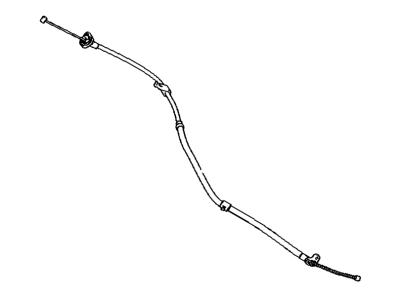
Lexus ES300 Parking Brake Cable Assembly No.3
Part Number: 46430-33100$93.59 MSRP: $126.56You Save: $32.97 (27%)Ships in 1-3 Business Days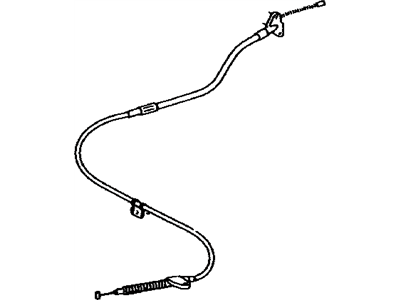
Lexus ES300 Parking Brake Cable Assembly No.2
Part Number: 46420-33100$86.70 MSRP: $117.25You Save: $30.55 (27%)Ships in 1-3 Business Days
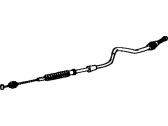
Lexus ES300 Parking Brake Cable Assembly No.1
Part Number: 46410-33020$39.99 MSRP: $53.21You Save: $13.22 (25%)Ships in 1-3 Business Days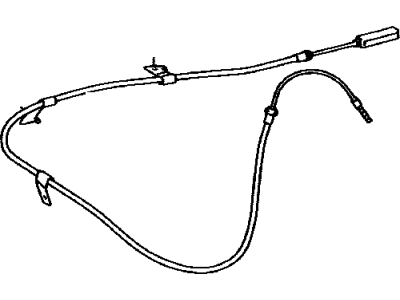
Lexus ES300 Parking Brake Cable Assembly No.1
Part Number: 46410-33120$86.95 MSRP: $117.58You Save: $30.63 (27%)Ships in 1-3 Business Days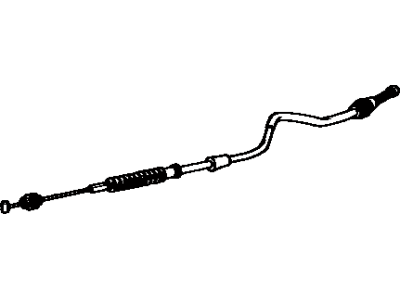
Lexus ES300 Parking Brake Cable Assembly No.2
Part Number: 46420-33050$88.42 MSRP: $119.58You Save: $31.16 (27%)Ships in 1-3 Business DaysLexus ES300 Parking Brake Cable Assembly No.3
Part Number: 46430-33050$92.73 MSRP: $125.40You Save: $32.67 (27%)Ships in 1-3 Business Days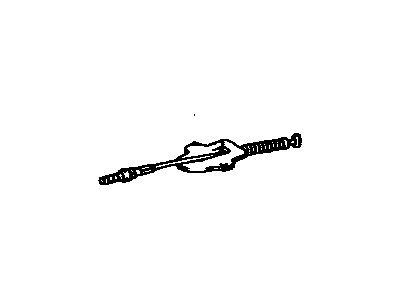
Lexus ES300 Cable Assy, Parking Brake, NO.4
Part Number: 46440-33030$33.40 MSRP: $44.45You Save: $11.05 (25%)Ships in 1-3 Business DaysLexus ES300 Parking Brake Cable Assembly No.1
Part Number: 46410-06010$9.05 MSRP: $11.70You Save: $2.65 (23%)Ships in 1-3 Business Days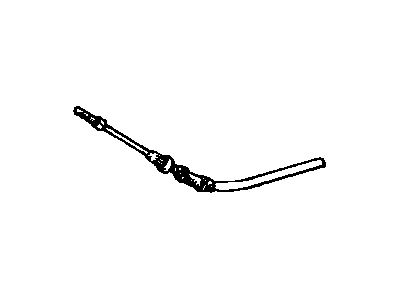
Lexus ES300 Parking Brake Cable
Lexus ES300 Parking Brake Cable prevents the mid-sized sedan from rolling by connecting the brake control inside your vehicle with the hardware on the wheels whenever you park on a slope or need an emergency stop. The cable extends the full length of the chassis, therefore when the foot pedal is pressed or the hand lever is pulled, the Parking Brake Cable is immediately tightened, the brakes are clamped, and the vehicle remains stationary without the aid of hydraulics. Over the years Lexus offered two operating layouts of the ES300 model, a center console hand lever version and a left side foot pedal version, and both have their own tailored Parking Brake Cable length and mounting path, but the basic tension-based mechanism remains the same. In later generations, Lexus improved the materials for the cables to resist corrosion and the ES300 models today still rely on steel strands with protective sheathing that protects the core from moisture. Differences are mostly the connection points and routings around the exhaust and suspension parts so that there is good cabin ergonomics and the Parking Brake Cable is not exposed to heat or abrasion. Periodic checks for fraying, rust, or slack keep the Parking Brake Cable responsive allowing every Lexus ES300 driver dependable backup braking and peace of mind for daily parking maneuvers.
Should you need to purchase new auto parts for your vehicle, we strongly suggest you consider the genuine Lexus ES300 Parking Brake Cable available on LexusPartsNow.com. Our OEM Lexus ES300 Parking Brake Cable come with the reassurance of the manufacturer's warranty, a hassle-free return policy, and speedy delivery service, all at affordable prices online. Feel free to shop with confidence!
Lexus ES300 Parking Brake Cable Parts Questions & Experts Answers
- Q:How to remove and install a parking brake cable on Lexus ES300?Posted by Preva N.A:Loosen the rear wheel lug nuts, raise the rear of the vehicle and support it securely on jackstands. Block the front wheels. Remove the wheel. Make sure the parking brake is completely released, then remove the brake drum or disc. On models with rear drum brakes, remove the brake shoes and disconnect the cable from the parking brake lever: on models with rear disc brakes, remove the parking brake shoes and disconnect the parking brake lever. Unbolt the cable housing from the backing plate. Unbolt all cable brackets. Remove the center exhaust pipe, or lower it enough to get at the forward part of the cables. Trace the cable forward and locate the cable clamp. Loosen the clamp bolt and slide the cable housing out of the clamp. Disconnect the cable end from the equalizer by aligning the cable with the slot in the top of the equalizer. Slide the cable end out of the hole. Installation is the reverse of removal. Adjust the parking brake. Remove the center console. With the parking brake cable released, remove the locknut and the adjusting nut and detach the cable. Working under the vehicle, pull the cable to the rear, turn it 90- degrees and pass it through the center of the equalizer. Pull the cable through the hole in the floor pan. Installation is the reverse of the removal procedure. Apply a light coat of grease to the portion of the cable end that contacts the equalizer. Adjust the parking brake cable as outlined previously. Remove the front seat. Remove the protector on models equipped with a bench seat or remove the center console on models equipped with separate seats. Disconnect the cable from the intermediate lever. Remove the knee bolster to access the parking brake pedal bracket sub-assembly. Disconnect the parking brake switch. Remove the clip, pull out the clevis pin and disconnect the parking brake cable from the parking brake pedal assembly. Installation is the reverse of removal.Answered by Lexus Parts Specialist Ricky / Apr 15, 2022