×
- Hello
- Login or Register
- Quick Links
- Live Chat
- Track Order
- Parts Availability
- RMA
- Help Center
- Contact Us
- Shop for
- Lexus Parts
- Lexus Accessories


My Garage
My Account
Cart
Genuine Lexus ES300 Piston Ring Set
Piston Ring- Select Vehicle by Model
- Select Vehicle by VIN
Select Vehicle by Model
orMake
Model
Year
Select Vehicle by VIN
For the most accurate results, select vehicle by your VIN (Vehicle Identification Number).
8 Piston Ring Sets found
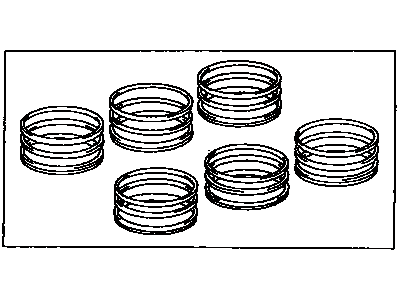
Lexus ES300 Piston Ring Set
Part Number: 13011-20022$336.95 MSRP: $459.41You Save: $122.46 (27%)Ships in 1-3 Business Days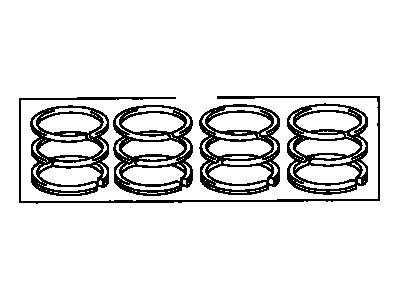
Lexus ES300 Piston Ring Set
Part Number: 13011-20023$336.95 MSRP: $459.41You Save: $122.46 (27%)Ships in 1-3 Business Days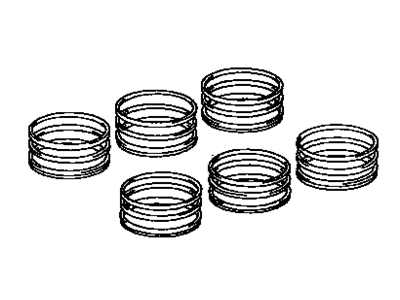
Lexus ES300 Piston Ring Set
Part Number: 13011-0A030$356.47 MSRP: $486.02You Save: $129.55 (27%)Ships in 1-3 Business DaysLexus ES300 Piston Ring Set
Part Number: 13011-20012$336.95 MSRP: $459.41You Save: $122.46 (27%)Ships in 1-3 Business Days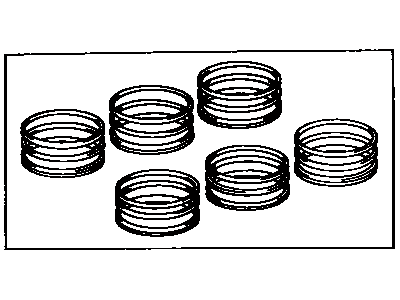
Lexus ES300 Piston Ring Set
Part Number: 13011-20020$336.95 MSRP: $459.41You Save: $122.46 (27%)Ships in 1-3 Business DaysLexus ES300 Piston Ring Set
Part Number: 13011-20021$336.95 MSRP: $459.41You Save: $122.46 (27%)Ships in 1-3 Business Days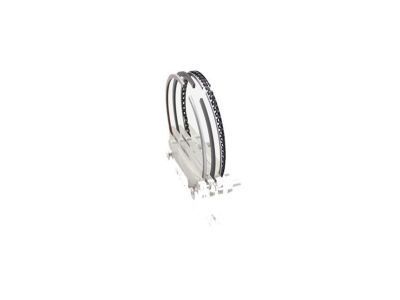
Lexus ES300 Piston Ring Set
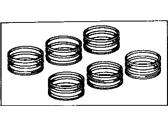
The Lexus ES300 Piston Ring Set keeps the combustion pressure sealed inside the cylinders so that the motor can convert the fuel explosion into steady power and prevent gas and oil leakage. Built with three rings per piston, the set has two compression rings up top to trap the fuel-air charge and one oil control ring below to scrape surplus lubricant back to the sump to balance tight sealing and low friction. This design of the Piston Ring Set meant that early versions of the model applied thicker cast-iron rings which were tough but caused drag, whereas later Lexus models switched to thinner pieces of ductile iron or steel which were coated with plasma-sprayed molybdenum or chromium, reducing the mechanical losses and improving heat transfer. Today's Lexus Piston Ring Set often measures just 1 mm on the top and second rings and 2 mm on the oil ring so that it flexes to the bore for a better seal and takes away nearly a quarter of total engine friction. Spring tension built into each ring forces constant contact with the wall, and oil ring slots keep the lubrication where it belongs, guarding against heat and deposits in every ES300 engine. Although the classic three-ring stack is still in the modern ES300, the Piston Ring Set is lighter in weight, provides harder sealing, and helps the modern ES300 Piston Ring Set to support quieter starts and cleaner exhaust within the current Lexus powertrain.
Should you need to purchase new auto parts for your vehicle, we strongly suggest you consider the genuine Lexus ES300 Piston Ring Set available on LexusPartsNow.com. Our OEM Lexus ES300 Piston Ring Set come with the reassurance of the manufacturer's warranty, a hassle-free return policy, and speedy delivery service, all at affordable prices online. Feel free to shop with confidence!
Lexus ES300 Piston Ring Set Parts Questions & Experts Answers
- Q:How to install a Piston Ring Set on the Lexus ES300?Posted by Ryne J.A:Before installing the new Piston rings, the ring end gaps must be checked. Lay out the piston/connecting rod assemblies and the new ring sets so the ring sets will be matched with the same piston and cylinder during the end gap measurement and engine assembly. Insert the top (number one) ring into the first cylinder and square it up with the cylinder walls by pushing it in with the top of the piston. To measure the end gap, slip feeler gauges between the ends of the ring until a gauge equal to the gap width is found. If the gap is too small, replace the rings - DO NOT file the ends to increase the clearance. Excess end gap isn't critical unless it's greater than 0.040-inch. Repeat the procedure for each ring that will be installed in the first cylinder and for each ring in the remaining cylinders. Once the ring end gaps have been checked/corrected, the rings can be installed on the pistons. The oil control ring (lowest one on the piston) is usually installed first. After the three oil ring components have been installed, check to make sure that both the upper and lower side rails can be turned smoothly in the ring groove. The number two (middle) ring is installed next. Use a piston ring installation tool and make sure the ring's identification mark is facing the top of the piston, then slip the ring into the middle groove on the piston. Install the number one (top) ring in the same manner. Repeat the procedure for the remaining pistons and rings.Answered by Lexus Parts Specialist Gregg / Oct 20, 2024