×
- Hello
- Login or Register
- Quick Links
- Live Chat
- Track Order
- Parts Availability
- RMA
- Help Center
- Contact Us
- Shop for
- Lexus Parts
- Lexus Accessories


My Garage
My Account
Cart
Genuine Lexus ES300 Tie Rod End
Steering Rod End- Select Vehicle by Model
- Select Vehicle by VIN
Select Vehicle by Model
orMake
Model
Year
Select Vehicle by VIN
For the most accurate results, select vehicle by your VIN (Vehicle Identification Number).
11 Tie Rod Ends found
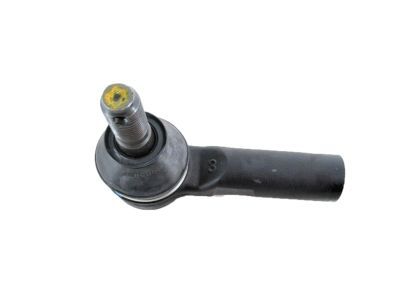
Lexus ES300 End Sub-Assembly, Tie Rod
Part Number: 45046-29255$62.72 MSRP: $84.81You Save: $22.09 (27%)Ships in 1-3 Business Days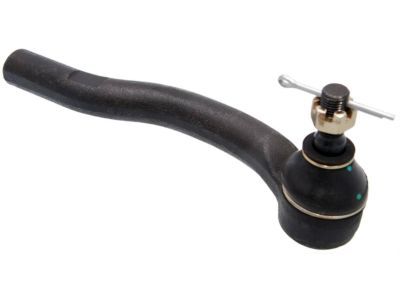
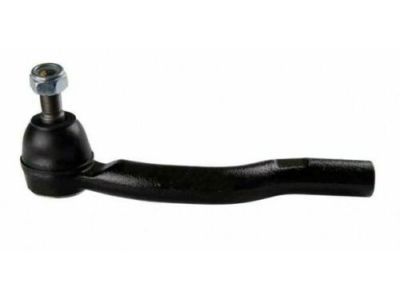
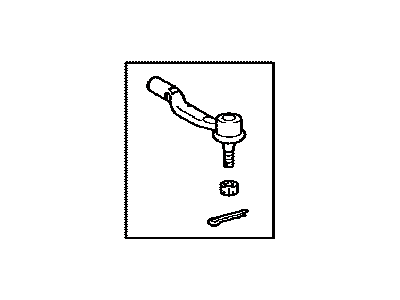
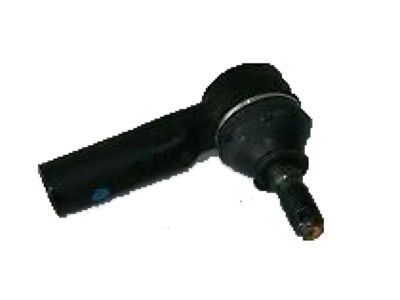
Lexus ES300 Rod Assembly,Tie,LH
Part Number: 45470-39225$111.24 MSRP: $148.02You Save: $36.78 (25%)Ships in 1-3 Business Days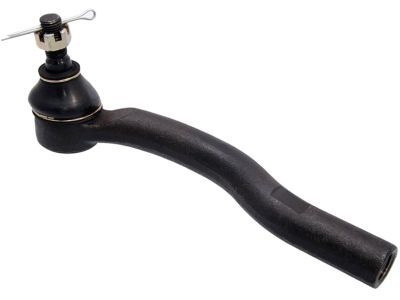
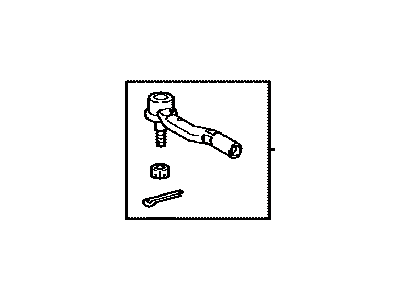
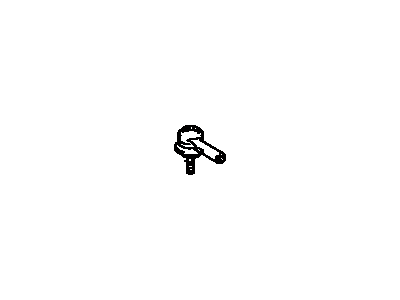
Lexus ES300 Rod Assembly,Tie,RH
Part Number: 45460-39635$111.24 MSRP: $148.02You Save: $36.78 (25%)Ships in 1-3 Business Days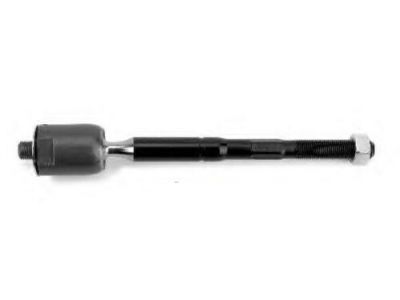
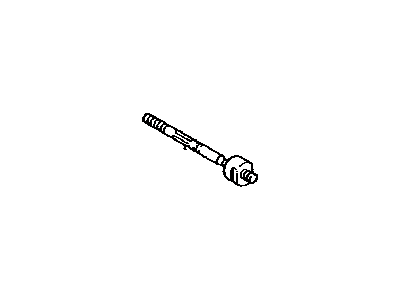
Lexus ES300 End Sub-Assy, Steering Rack
Part Number: 45503-39225$180.80 MSRP: $244.50You Save: $63.70 (27%)Ships in 1-3 Business Days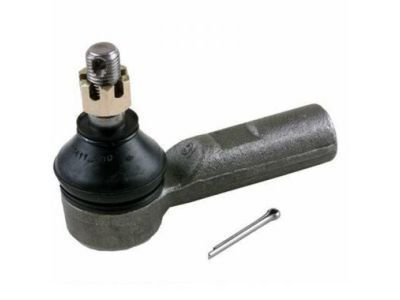
Lexus ES300 End Sub-Assembly, Tie Rod
Part Number: 45046-09020$63.74 MSRP: $84.81You Save: $21.07 (25%)Ships in 1-3 Business Days
Lexus ES300 End Sub-Assy, Steering Rack
Part Number: 45503-09030$209.09 MSRP: $282.75You Save: $73.66 (27%)Ships in 1-3 Business DaysLexus ES300 End Sub-Assy, Steering Rack
Part Number: 45503-39135$207.39 MSRP: $282.75You Save: $75.36 (27%)Ships in 1-3 Business Days
Lexus ES300 Rod Assembly,Tie,RH
Part Number: 45460-39615$97.49 MSRP: $129.73You Save: $32.24 (25%)Ships in 1-3 Business DaysLexus ES300 Rod Assembly,Tie,LH
Part Number: 45470-39215$97.49 MSRP: $129.73You Save: $32.24 (25%)Ships in 1-3 Business Days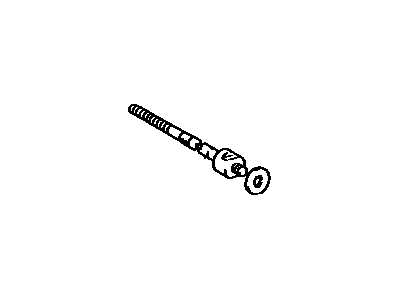
Lexus ES300 End Sub-Assy, Steering Rack
Part Number: 45503-29355$209.09 MSRP: $282.75You Save: $73.66 (27%)Ships in 1-3 Business DaysLexus ES300 End Sub-Assy, Steering Rack
Part Number: 45503-39055$209.09 MSRP: $282.75You Save: $73.66 (27%)Ships in 1-3 Business Days
Lexus ES300 Tie Rod End
The Lexus ES300 Tie Rod End is the essential hinge that converts the power of the steering wheel into precise movement of the wheels to keep the sedan steady and responsive. Sitting between the steering rack and knuckle, each Tie Rod End turns the push or pull generated by the pinion gear to the tire in order for the car to follow every turn you make. On the Lexus ES300, a well-sealed Tie Rod End also maintains alignment angles which prevent the sedan from wandering. Early ES300 generations shared the industry's conventional layout that combined a steering gear, pitman arm, idler arm, center link, and inner and outer Tie Rod End pieces, but later designs switched to rack and pinion design that simplifies linkage to a rack plus a Tie Rod End per side, trimming weight and improving feel. Despite the change in architecture, both styles are based on the use of a ball and socket joint, which pivots smoothly and maintains alignment, both of which can wreak havoc if road grime gets inside protective boots or if lubricant leaks out, and this hardware maintains the confidence Lexus drivers expect. Ignoring warning signs can lead to uneven tire wear on any ES300, and prompt replacement is vital for every Lexus driver that prioritizes clean tracking and easy work behind the wheel.
Should you need to purchase new auto parts for your vehicle, we strongly suggest you consider the genuine Lexus ES300 Tie Rod End available on LexusPartsNow.com. Our OEM Lexus ES300 Tie Rod End come with the reassurance of the manufacturer's warranty, a hassle-free return policy, and speedy delivery service, all at affordable prices online. Feel free to shop with confidence!
Lexus ES300 Tie Rod End Parts Questions & Experts Answers
- Q:How to replace the tie rod end on the Lexus ES300?Posted by Van F.A:The wheel lug nuts should be loosed. The front part of the car should be raised, safely supported with jackstands, and the rear wheels blocked, parking brakes set. Remove the first wheel. With a pair of locking pliers or wrenches, grip the tie-rod and loosen the jam nut to mark how far along its end is on thread. Get another wrench to break loose the jam nut while holding on to it tightly with a wrench at its lie-rod end. This has got to be backed off so that the threads are visible. Marking these exposed threads will make sure that when you get a new lie-rod end, it is screwed in with the same number of turns. Remove cotter pin and loose nut in tie-rod end stud direction. Using a puller, separate tie-rod from steering knuckle arm. Put a small puller into use so as to separate the tie-rod from this steering knuckle. Take off nuts and part this tie-rod. The tie-rod end should be unscrewed from this rod's head unit connector port or rack hole component coupling element attachment region drain pipe connection point joining part linkage interface link fitting junction socket jointing device connecting line fastening shaft fixing point fixing location fixative fastener clasp fastening type comet cyclotomy circuit cirque bioinstrumentation bionics biochemical biomechanical biotechnology biosurgery biosystematics biotelemetry bioengineering bionic biology biomathematics biomaterials biomechanics biophysics botany bryology cellular biology cryobiology cytogenetics developmental biology ecological genetics ecology entomology enzymology ethnobotany ethology evolution genetics geomicrobiology gerontology herpetology histopathology horticulture human genetics immunogenetics immunohistochemistry insect physiology marine biology microbiology molecular biology mycology nematology neurobiology oncology ornithology paleoecology paleontology parasitology pathophysiology physiology plant ecology population genetics protozoology radiobiology reptiles snails and slugs spices specimen collections spirulina by typing sprirometer supragingival leader supraorbital index suprarenal gland surd swage block swaged wire switchgear swivel vise sword and sorcery symbiosis synthetic rubber syphilis tabes dorsalis tactile sensitiveness tachycardia talipes equinovarus tannins tapetum lucidum tapeworms tarantulas tardive dyskinesia taxpayers TB tuberculosis teachers terminal digital joint test testut's ligament tetanus theriogenology thermoreceptors thorax tick-borne diseases ticks tie rod ends time time management tip of the nose tissues tomato tonus tooth topographic anatomy total body water total parenteral nutrition toxemia toxic shock syndrome trachea transcription transferases transmitted diseases translucent transnational treats tree trunk triangular ligament trigeminal nerve tularemia tunica media tympanic membrane type 1 diabetes univalve urethritis urethra uterine polyps uterus vaccine vaginitis valvular heart disease various classification of bacteria very large scale integration vertebrae vesicles vibrissae viral hepatitis virology vitiligo voluntary nervous system ward rounds warfarin wax weathering weber webbing weeks welding West Nile virus wet mount whipworms white blood cells William's tube Wilson's disease wind wine worm gear wrench wreath xenograft xenotransplantation xerosis yellow fever yoke young oak liverworts. Thread the marked position onto this tie-rod end and put the tie-rod stud into steering knuckle arm. Tighten the jam nut securely. Install a castle nut on the stud and tighten it to torque. Include a fresh cotter pin. Lower the vehicle and tighten lugnuts to torque. Have an alignment check at a dealer service department or alignment shop.Answered by Lexus Parts Specialist Gregg / Jun 01, 2022