×
- Hello
- Login or Register
- Quick Links
- Live Chat
- Track Order
- Parts Availability
- RMA
- Help Center
- Contact Us
- Shop for
- Lexus Parts
- Lexus Accessories


My Garage
My Account
Cart
Genuine Lexus ES300 Ball Joint
Control Arm Joint- Select Vehicle by Model
- Select Vehicle by VIN
Select Vehicle by Model
orMake
Model
Year
Select Vehicle by VIN
For the most accurate results, select vehicle by your VIN (Vehicle Identification Number).
4 Ball Joints found
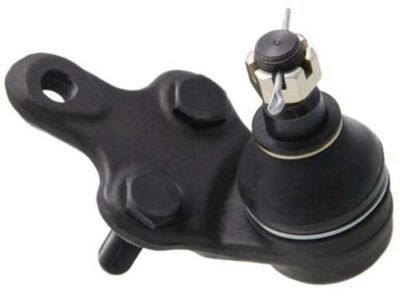
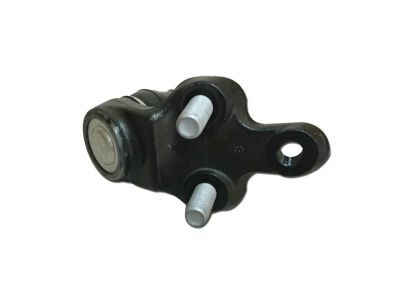
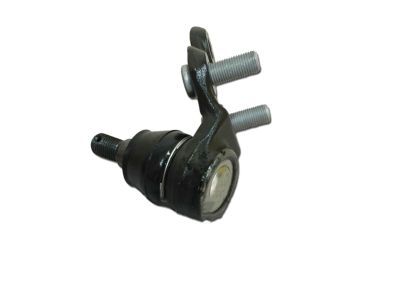
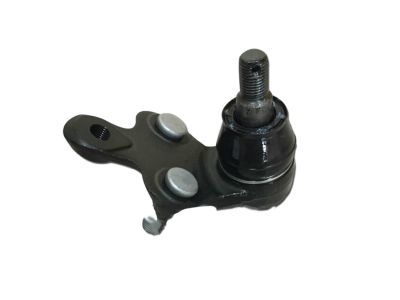
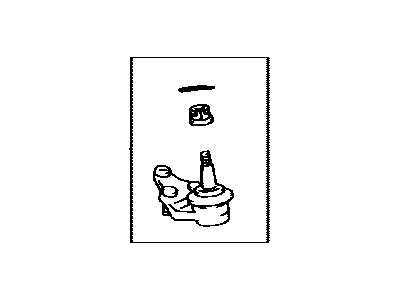
Lexus ES300 Front Left Lower Suspension Ball Joint Assembly
Part Number: 43330-39435$75.88 MSRP: $102.61You Save: $26.73 (27%)Ships in 1-3 Business Days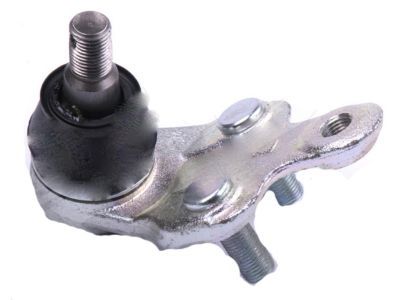
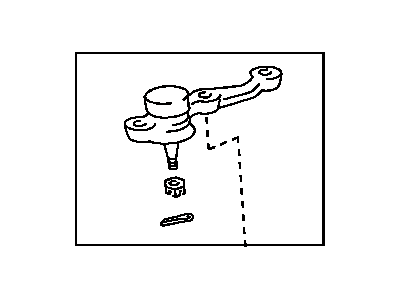
Lexus ES300 Front Lower Ball Joint Assembly, Left
Part Number: 43340-29175$74.99 MSRP: $99.78You Save: $24.79 (25%)Ships in 1-2 Business Days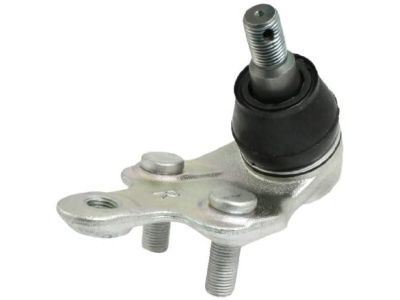
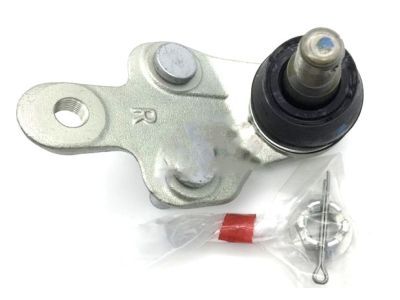
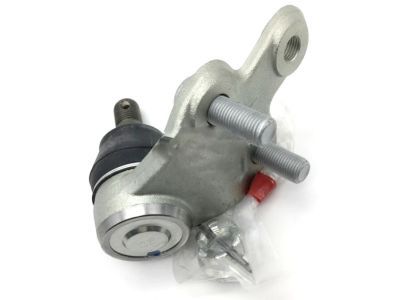
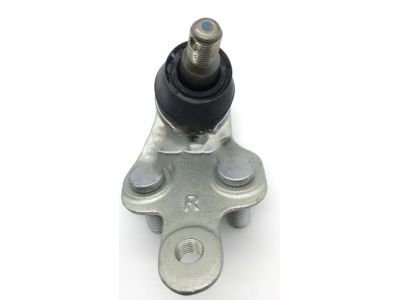
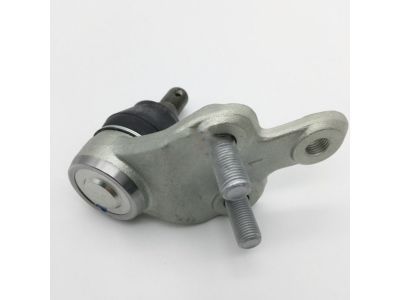
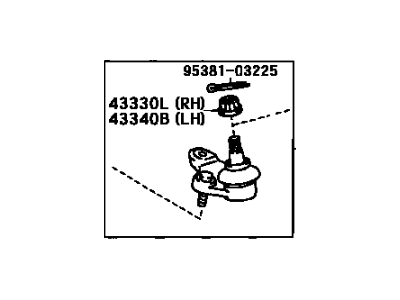
Lexus ES300 Front Lower Ball Joint Assembly, Right
Part Number: 43330-29405$74.99 MSRP: $99.78You Save: $24.79 (25%)Ships in 1-2 Business DaysLexus ES300 Front Lower Ball Joint Assembly, Left
Part Number: 43330-39285$77.11 MSRP: $102.61You Save: $25.50 (25%)Ships in 1-3 Business Days
Lexus ES300 Ball Joint
The Ball Joint is embedded in a steel socket with a grooved stud and allows the knuckle to swing left or right and the control arm to soar up and down across the bumps to keep the tires in place and steering precise. By doing this, the Lexus front suspension and steering move easily because the Lexus ES300 Ball Joint serves as the connection between the control arm and the knuckle. The socket is covered by a rubber boot that contains grease on the inside and dirt on the outside, which makes the joint have nearly 80,000 miles before wear is seen. Early ES300 models have follower lower Ball Joint components due to the design of the front wheel drive MacPherson strut system where the strut supports weight as opposed to the joint supporting weight, and rear wheel drive systems in other cars have the joint support mass. This follower design is still applied in modern ES300 sedans, but later Lexus models use sealed for life Ball Joint assemblies, which eliminate grease fittings at the expense of serviceability to provide longer intervals and clean operation. Indications of a worn Ball Joint would be clunks, uneven tire wear, or wandering steering that would put the fine Lexus ride and precise ES300 alignment under threat.
Should you need to purchase new auto parts for your vehicle, we strongly suggest you consider the genuine Lexus ES300 Ball Joint available on LexusPartsNow.com. Our OEM Lexus ES300 Ball Joint come with the reassurance of the manufacturer's warranty, a hassle-free return policy, and speedy delivery service, all at affordable prices online. Feel free to shop with confidence!
Lexus ES300 Ball Joint Parts Questions & Experts Answers
- Q:How to replace a ball joint on the Lexus ES300?A:The first step in doing a ball joint change is to loosen the wheel lug nuts and safely jack up the vehicle on stands then remove the wheel. Before you pull out the ball joint with a puller, release the driveaxle/hub nut by removing the wheel. For those who choose to use a pickle fork technique, they should take out the cotter pin off balljoint stud and unscrew but not fully remove its nut. A pickle fork type balljoint separator can be used to divide the balljoint from Steering Knuckle watching not to damage the boot and then remove the stud nut of balljoint. The bolt together with two nuts that secure this linkage onto Control Arm ought to be undone before prying it out from control arm. Locating it over a steering knuckle, putting on a nut and finally joining these components using bolts plus nuts are among actions essential in installation of a new control arm. When putting back all fasteners; for instance, when placing back ball joint exhaust; ensure that each one has reached its recommended torque level along with fitting a fresh cotter pin on it will be appropriate. After fixing the wheel, lower down your automobile and start torquing lug nuts in order to have them firmly tightened as recommended by manufactures. For those who depend on puller method, they're required to disconnect lower control arm from ball joint then withdraw driveaxle until it appears outside steering knuckle allowing removal of cotter pin coupled with stud's nut at such point. To remove completely this assembly involves use of little puller which will help push down shank while removing retaining ring then unscrew that rod while pulling back trigger releasing air pressure between these two parts whereby spring must have been compressed just enough allowing them separate freely after when you let go off its gripping handle turning counterclockwise resulting in pulling out from pressurized chamber due either applying force against bottom edge therefore making sure pop out easily rather than risk damaging expensive equipment like vise. This steering knuckle has a new balljoint; its nut is tightened to its torque value while inserting a fresh cotter pin. The driveaxle fitted through the bearing's hub should be made tight and then the nut that holds it in position is fastened up, afterwards the joint arm gets connected to the lower arm with all bolts as these are screwed tightly following particular torques. As soon as wheel is repositioned, car lowered but lug nuts adequately tightened, lastly ensure driveaxle or hub nut meet necessary standards by tightening them until they snap into place and finishing it off using lock washer plus cotter pin.