×
- Hello
- Login or Register
- Quick Links
- Live Chat
- Track Order
- Parts Availability
- RMA
- Help Center
- Contact Us
- Shop for
- Lexus Parts
- Lexus Accessories


My Garage
My Account
Cart
Genuine Lexus ES300 Timing Belt
Engine Timing Belt- Select Vehicle by Model
- Select Vehicle by VIN
Select Vehicle by Model
orMake
Model
Year
Select Vehicle by VIN
For the most accurate results, select vehicle by your VIN (Vehicle Identification Number).
3 Timing Belts found
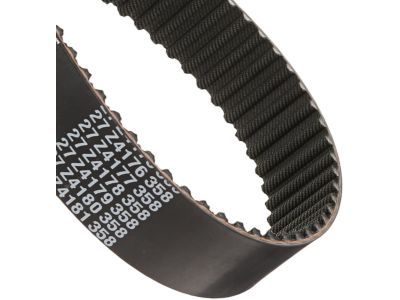
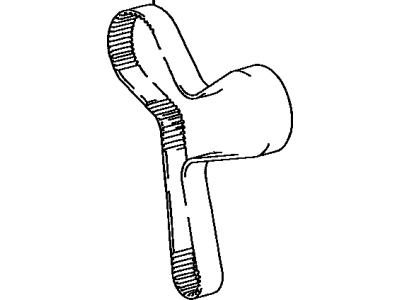
Lexus ES300 Belt, Timing
Part Number: 13568-29025$54.59 MSRP: $69.84You Save: $15.25 (22%)Ships in 1-3 Business Days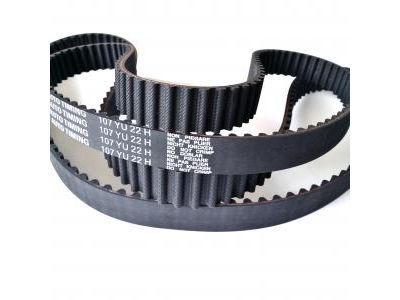
Lexus ES300 Belt,Timing
Part Number: 13568-29015$54.59 MSRP: $69.84You Save: $15.25 (22%)Ships in 1-3 Business DaysLexus ES300 Belt, Timing
Part Number: 13568-69025$62.52 MSRP: $79.99You Save: $17.47 (22%)Ships in 1-3 Business Days
Lexus ES300 Timing Belt
The Lexus ES300 Timing Belt coordinates the crankshaft and camshafts, allowing the valves to open at exactly the right moment with the movement of the pistons for smooth power, quiet running, and reduced friction. In every Lexus ES300, this reinforced rubber belt loops about sprockets, idler pulleys, and an automatic tensioner pulling the camshafts in lockstep with the crank, without the noise or need for lubrication of older chains or gears. Modern curved tooth designs make the Timing Belt even quieter and more durable with typical replacement intervals of about 60,000 miles, but owners should still follow the manual as a snapped belt will cause the engine to stall instantly, and on interference designs, it can even allow the pistons to collide with open valves. Even a worn tensioner can allow the belt to jump time, which can result in rough running or no start. Visual checks for cracks, missing teeth, fraying, or contamination by fluids are a good idea, and whenever a new Timing Belt comes in, good practice involves a change of tensioner, idler, and the water pump that the belt often drives. A healthy Timing Belt ensures every Lexus ES300 is dependable. Regular inspection keeps the Lexus ES300 Timing Belt ready for the road.
Should you need to purchase new auto parts for your vehicle, we strongly suggest you consider the genuine Lexus ES300 Timing Belt available on LexusPartsNow.com. Our OEM Lexus ES300 Timing Belt come with the reassurance of the manufacturer's warranty, a hassle-free return policy, and speedy delivery service, all at affordable prices online. Feel free to shop with confidence!
Lexus ES300 Timing Belt Parts Questions & Experts Answers
- Q:How to remove the timing belt and variable timing sprocket on the four-cylinder engine of a Lexus ES300?Posted by Maribel C.A:To begin the removal process, start by disconnecting the negative battery cable and ensure the rear wheels are blocked while the parking brake is engaged. Loosen the lug nuts on the right front wheel, raise the vehicle, and securely support the front on jackstands. Proceed to remove the right front wheel and fender apron seal. Following this, remove the coolant overflow tank and the spark plugs and drive belts. Take out the alternator and its bracket and support the engine from beneath with a jack (using a wood block to avoid the oil pan drain plug). Remove the right Engine Mount and engine support rod. Afterward, remove the upper timing belt cover screws and pull up the wiring harness, then remove the upper (no.timing belt cover and gaskets. Ensure the number one piston is at TDC on the compression stroke and verify alignment between the small hole in the camshaft pulley and the TDC mark on the cam bearing cap. Optionally, apply match marks on the sprocket and belt if reusing the timing belt. Loosen the upper (no.idler pulley set bolt and unhook the spring to slip the timing belt off the sprocket. If the camshaft sprocket requires removal, hold the rear camshaft with a wrench and remove the bolt. Remove the crankshaft pulley bolt, secure the engine from turning, and use a breaker bar and socket to loosen and remove the pulley. Proceed to remove the lower (no.timing belt cover and gaskets, slipping the belt guide off the crankshaft if needed. If reusing the timing belt, apply match marks on the sprocket and belt. Slip the timing belt off the sprocket and remove it. Inspect the idler pulleys for smooth operation and the spring for damage, and assess the belt for cracks, wear, or damage. Replace the timing belt with a new one if wear or damage is evident or if there are concerns. When installing the new belt, ensure the timing marks on the camshaft and crankshaft are correctly aligned. Reinstall idler pulleys and the tension spring, check timing mark alignment again, and fit the timing belt onto the appropriate components. Slip on the belt guide with the cupped side facing out and reinstall the lower timing belt cover and crankshaft pulley, verifying TDC marks. Place the timing belt over the camshaft sprocket while maintaining tension on one side, loosen the upper idler pulley bolt, and allow the spring to apply pressure. Slowly turn the crankshaft clockwise until the marks align correctly, then tighten the idler pulley. Rotate the crankshaft two revolutions and recheck the timing marks. If they align as required, reinstall the remaining components in reverse order, paying attention to gasket material on covers if necessary. Finally, run the engine to verify proper operation.Answered by Lexus Parts Specialist Tommy / Oct 31, 2025