×
- Hello
- Login or Register
- Quick Links
- Live Chat
- Track Order
- Parts Availability
- RMA
- Help Center
- Contact Us
- Shop for
- Lexus Parts
- Lexus Accessories


My Garage
My Account
Cart
Genuine Lexus ES350 Flywheel
Clutch Flywheel- Select Vehicle by Model
- Select Vehicle by VIN
Select Vehicle by Model
orMake
Model
Year
Select Vehicle by VIN
For the most accurate results, select vehicle by your VIN (Vehicle Identification Number).
5 Flywheels found
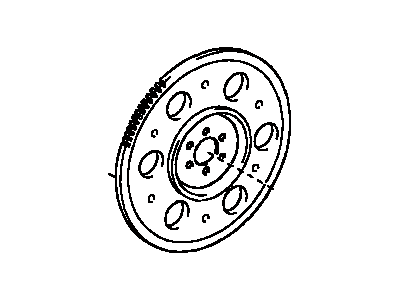
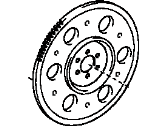
Lexus ES350 Gear Sub-Assembly, Drive
Part Number: 32101-0E010$295.55 MSRP: $409.67You Save: $114.12 (28%)Ships in 1-3 Business Days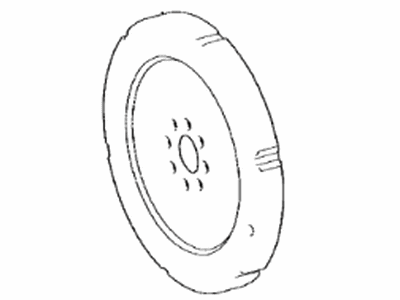
Lexus ES350 Flywheel
Part Number: 13451-25030$390.47 MSRP: $541.24You Save: $150.77 (28%)Ships in 1-3 Business DaysLexus ES350 Gear Sub-Assy, Drive Plate & Ring
Part Number: 32101-48010$300.47 MSRP: $409.67You Save: $109.20 (27%)Ships in 1-2 Business DaysLexus ES350 Gear Sub-Assembly, Drive
Part Number: 32101-06070$295.55 MSRP: $409.67You Save: $114.12 (28%)Ships in 1-3 Business Days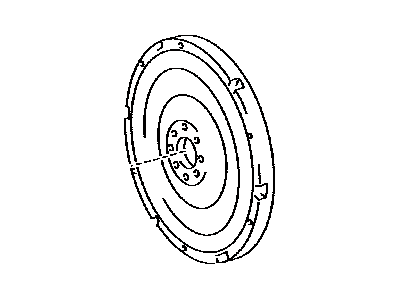
Lexus ES350 Flywheel
Part Number: 13451-36040$414.83 MSRP: $575.00You Save: $160.17 (28%)Ships in 1-3 Business Days
Lexus ES350 Flywheel
The Lexus ES350 Flywheel smooths out pulses in the engine, aids in starting the engine, and provides a surface for the clutch to act on, which makes the driving experience silky and reliable. Mounted to the crankshaft, the Flywheel stores rotational energy so that the ES350 engine doesn't feel choppy between combustion strokes but feels steady, and its toothed ring gear works with the starter motor to make the crank spin whenever the driver twists the key. Once the engine fires, the clutch disc grips the Flywheel face, sending power to the transmission until the pedal is pressed for a shift. Over the years, the Lexus ES350 has employed two styles, a solid one-piece plate and dual mass style, which divides the Flywheel into primary and secondary sections that are separated by spring dampers. The solid unit can often be resurfaced to remove heat spots and any minor warpage, but the dual mass version usually needs to be replaced if its internal springs wear out or if its face is scored due to the maker placing limits on machining. Modern Lexus drivers will notice the differences, as the dual mass is much better at absorbing vibration and can quiet the cabin, but the simpler solid plate is much tougher and less costly to service. Whether solid or dual mass, every Lexus ES350 is dependent on a properly balanced Flywheel to ensure smooth launches, crisp shifts, and long clutch life.
Should you need to purchase new auto parts for your vehicle, we strongly suggest you consider the genuine Lexus ES350 Flywheel available on LexusPartsNow.com. Our OEM Lexus ES350 Flywheel come with the reassurance of the manufacturer's warranty, a hassle-free return policy, and speedy delivery service, all at affordable prices online. Feel free to shop with confidence!
Lexus ES350 Flywheel Parts Questions & Experts Answers
- Q:How to remove the Flywheel in four cylinder engine on Lexus ES350?Posted by Joey P.A:Start by removing the leaking front pump seal or O-ring, then take off the pressure plate and clutch disc. Check or replace clutch components as needed. Mark the flywheel, drive plate, and crankshaft for reinstallation. Remove the bolts securing the flywheel or drive plate to the crankshaft. Remove the flywheel or drive plate, supporting it while removing the last bolt. Align the marks made during removal, apply thread-locking compound to the bolts, and secure them in a crisscross pattern. Installation is the reverse of the removal.Answered by Lexus Parts Specialist Tommy / Feb 27, 2026