×
- Hello
- Login or Register
- Quick Links
- Live Chat
- Track Order
- Parts Availability
- RMA
- Help Center
- Contact Us
- Shop for
- Lexus Parts
- Lexus Accessories


My Garage
My Account
Cart
Genuine Lexus RX350 Battery Cable
Car Battery Cable- Select Vehicle by Model
- Select Vehicle by VIN
Select Vehicle by Model
orMake
Model
Year
Select Vehicle by VIN
For the most accurate results, select vehicle by your VIN (Vehicle Identification Number).
23 Battery Cables found
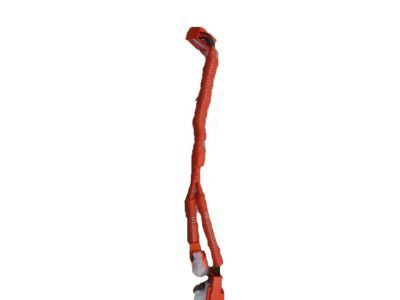
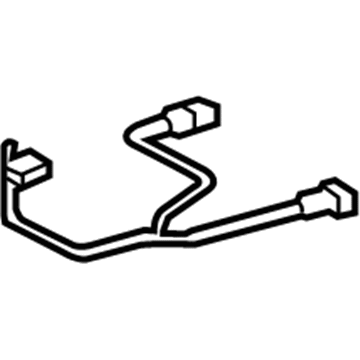
Lexus RX350 Wire, Hybrid Battery Pack, NO.1
Part Number: G92X1-48010$27.59 MSRP: $35.58You Save: $7.99 (23%)Ships in 1-3 Business Days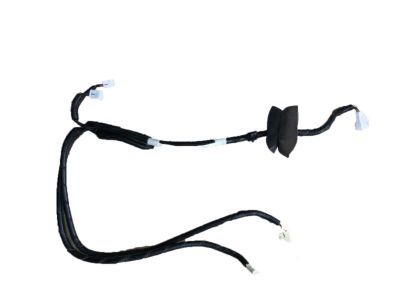
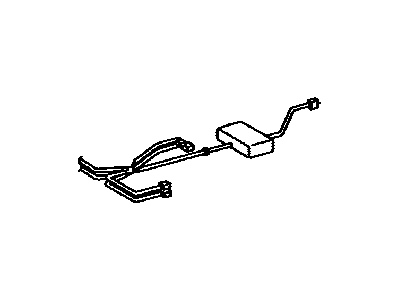
Lexus RX350 Wire, Hv Battery Pack
Part Number: G92X2-48010$78.58 MSRP: $106.27You Save: $27.69 (27%)Ships in 1-3 Business Days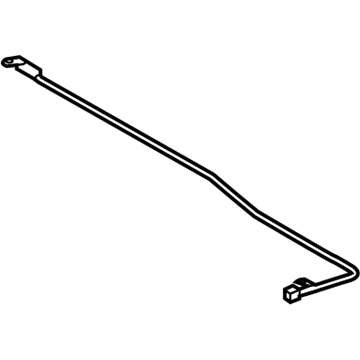
Lexus RX350 Cable, Hv Battery Pack
Part Number: G92Y2-48010$59.61 MSRP: $79.33You Save: $19.72 (25%)Ships in 1-3 Business Days
Lexus RX350 Wire, Hv AIRCONDITIO
Part Number: 821H2-0E010$131.84 MSRP: $178.29You Save: $46.45 (27%)Ships in 1-3 Business Days
Lexus RX350 WIRE, HV BATTERY CHA
Part Number: 821H5-48010$1038.47 MSRP: $1439.45You Save: $400.98 (28%)Ships in 1-2 Business Days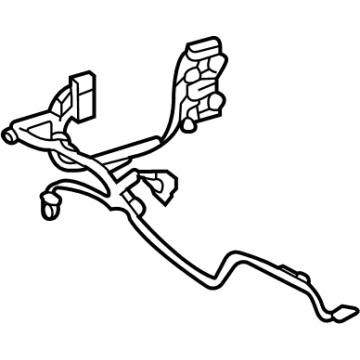
Lexus RX350 WIRE, HV BATTERY PAC
Part Number: G92X1-48030$65.29 MSRP: $88.29You Save: $23.00 (27%)Ships in 1-2 Business Days
Lexus RX350 Earth Wire
Part Number: 82284-78020$66.78 MSRP: $90.30You Save: $23.52 (27%)Ships in 1-3 Business Days
Lexus RX350 Wire, Hv AIRCONDITIO
Part Number: 821H2-48010$135.87 MSRP: $183.74You Save: $47.87 (27%)Ships in 1-3 Business Days
Lexus RX350 Wire, Hv AIRCONDITIO
Part Number: 821H2-42030$200.48 MSRP: $271.11You Save: $70.63 (27%)Ships in 1-3 Business DaysLexus RX350 WIRE, HV AIRCONDITIO
Part Number: 821H2-78010$288.27 MSRP: $393.03You Save: $104.76 (27%)Ships in 1-3 Business DaysLexus RX350 WIRE, HV BATTERY VOL
Part Number: G92T2-48070$35.26 MSRP: $46.92You Save: $11.66 (25%)Ships in 1-2 Business Days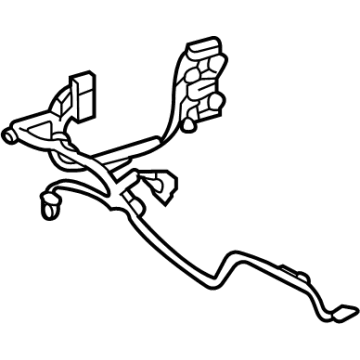
Lexus RX350 WIRE, HV BATTERY PAC
Part Number: G92X1-48040$54.98 MSRP: $73.16You Save: $18.18 (25%)Ships in 1-2 Business Days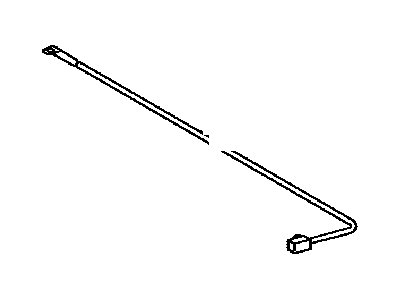
Lexus RX350 Cable, Hv Battery Pack
Part Number: G92Y2-48030$55.36 MSRP: $73.67You Save: $18.31 (25%)Ships in 1-3 Business Days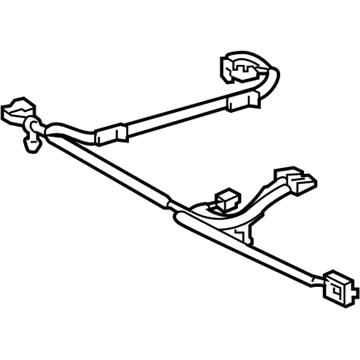
Lexus RX350 Wire, Hv Battery Pack
Part Number: G92X2-48030$61.11 MSRP: $81.32You Save: $20.21 (25%)Ships in 1-3 Business Days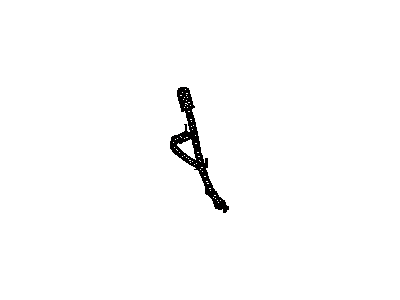
Lexus RX350 Earth Wire No.2
Part Number: 82286-48020$65.11 MSRP: $86.65You Save: $21.54 (25%)Ships in 1-3 Business Days
Lexus RX350 Earth Wire No.2
Part Number: 82286-0E070$66.73 MSRP: $88.80You Save: $22.07 (25%)Ships in 1-3 Business Days
Lexus RX350 Earth Wire No.2
Part Number: 82286-48060$68.10 MSRP: $90.62You Save: $22.52 (25%)Ships in 1-3 Business DaysLexus RX350 Earth Wire No.2
Part Number: 82286-48010$102.24 MSRP: $136.05You Save: $33.81 (25%)Ships in 1-3 Business Days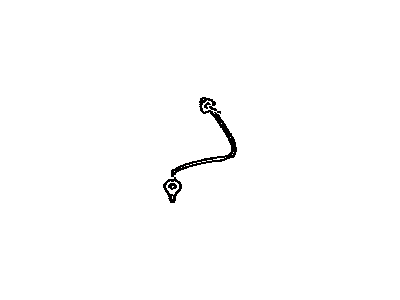
Lexus RX350 Earth Wire
Part Number: 82284-48030$3.60 MSRP: $4.64You Save: $1.04 (23%)Ships in 1-3 Business DaysLexus RX350 WIRE, HV BATTERY VOL
Part Number: G92T2-48060$27.58 MSRP: $35.58You Save: $8.00 (23%)Ships in 1-2 Business Days
| Page 1 of 2 |Next >
1-20 of 23 Results
Lexus RX350 Battery Cable
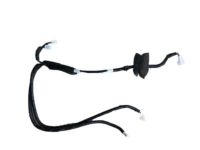
The Lexus RX350 Battery Cable conducts power from the battery to the starter and electronics, allowing the SUV to fire up at will. In all RX350s, there are two thick copper conductors, a positive Battery Cable and a negative Battery Cable ground, which make up a closed loop completing the electrical circuit. These cables transmit high current from the battery to the starter motor and provide a good path back, so without the solid connection, the Lexus engine may crank slowly or not at all. Over years of heat, vibration, and moisture, the copper strands can lose conductivity, rubber insulation can crack, and the ends of the cable can warp or corrode, all of which put resistance in the path, starving the starter. Lexus drivers of the RX350 are advised to inspect for frayed insulation, rust-flecked terminals, or voltage drops with a multimeter before trouble strikes. If symptoms such as hard starting are present, swapping in a fresh Battery Cable restores the crisp energy flow the electrical system expects. The only style change of interest is not one of model year but of function; the vehicle makes use of both positive and negative Battery Cable variations, the first feeding power outwards, the second securing the circuit to chassis ground. Keeping these simple but important components clean and tight ensures that each and every Lexus component from headlights to infotainment gets a steady current, ensuring that your RX350 remains ready to roll whenever you turn the key.
Should you need to purchase new auto parts for your vehicle, we strongly suggest you consider the genuine Lexus RX350 Battery Cable available on LexusPartsNow.com. Our OEM Lexus RX350 Battery Cable come with the reassurance of the manufacturer's warranty, a hassle-free return policy, and speedy delivery service, all at affordable prices online. Feel free to shop with confidence!
Lexus RX350 Battery Cable Parts Questions & Experts Answers
- Q:How to inspect and replace battery cables on Lexus RX350?A:Periodically inspect the entire length of each battery cable for damage, cracked or burned insulation, and corrosion. Poor battery cable connections can cause starting problems and decreased engine performance. Also, inspect the cable-to-terminal connections at the ends of the cables for cracks, loose wire strands, and corrosion. The presence of white, fluffy deposits under the insulation at the cable terminal connection is a sign of corrosion and indicates the need for replacement. Check the terminals for distortion, missing mounting bolts, and corrosion. When removing the cables, always disconnect the negative cable first and hook it up last to avoid accidentally shorting the battery. Even if only the positive cable is being replaced, disconnect the negative cable from the battery first. Disconnect the old cables from the battery and trace each of them to their opposite ends, detaching them from the starter solenoid and ground terminals. Note the routing of each cable for correct installation. If replacing the cables, take the old ones with you when buying new ones to ensure identical replacements. Positive cables are usually red and larger in cross-section, while ground cables are usually black and smaller. Clean the threads of the solenoid or ground connection with a wire brush to remove rust and corrosion, and apply a light coat of battery terminal corrosion inhibitor or petroleum jelly to prevent future corrosion. Attach the cable to the solenoid or ground connection and tighten the mounting nut/bolt securely. Before connecting a new cable to the battery, ensure it reaches the battery post without needing to be stretched. Connect the positive cable first, followed by the negative cable.
Related Lexus RX350 Parts


Browse by Year
2025 Battery Cable 2024 Battery Cable 2023 Battery Cable 2022 Battery Cable 2021 Battery Cable 2020 Battery Cable 2019 Battery Cable 2018 Battery Cable 2017 Battery Cable 2016 Battery Cable 2015 Battery Cable 2014 Battery Cable 2013 Battery Cable 2012 Battery Cable 2011 Battery Cable 2010 Battery Cable