×
- Hello
- Login or Register
- Quick Links
- Live Chat
- Track Order
- Parts Availability
- RMA
- Help Center
- Contact Us
- Shop for
- Lexus Parts
- Lexus Accessories


My Garage
My Account
Cart
Genuine Lexus RX350 Brake Caliper
Caliper- Select Vehicle by Model
- Select Vehicle by VIN
Select Vehicle by Model
orMake
Model
Year
Select Vehicle by VIN
For the most accurate results, select vehicle by your VIN (Vehicle Identification Number).
48 Brake Calipers found
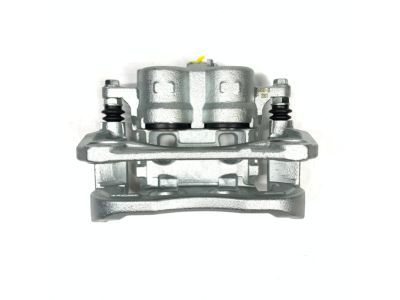
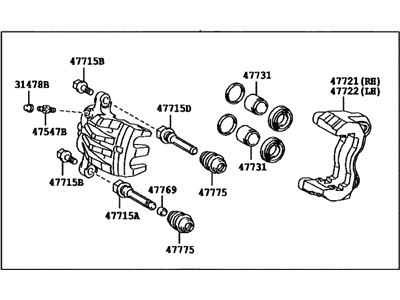
Lexus RX350 Driver Disc Brake Cylinder Assembly
Part Number: 47750-48110$172.37 MSRP: $235.02You Save: $62.65 (27%)Ships in 1-3 Business Days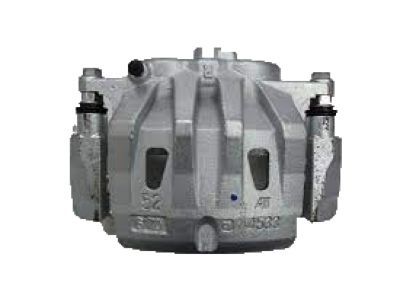
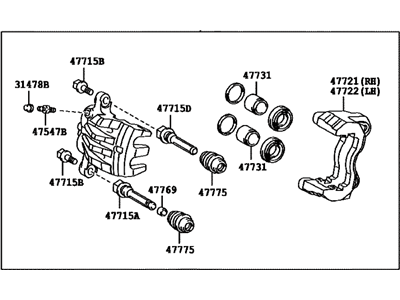
Lexus RX350 Front Passenger Disc Brake Cylinder Assembly
Part Number: 47730-48150$202.39 MSRP: $275.94You Save: $73.55 (27%)Ships in 1-3 Business Days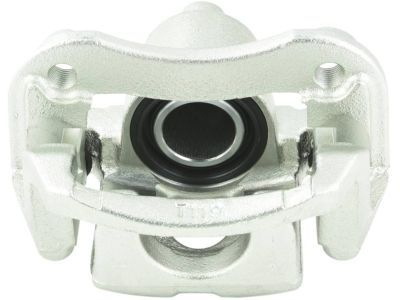
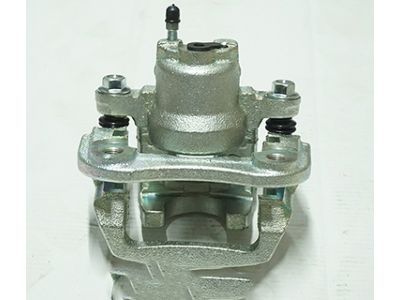
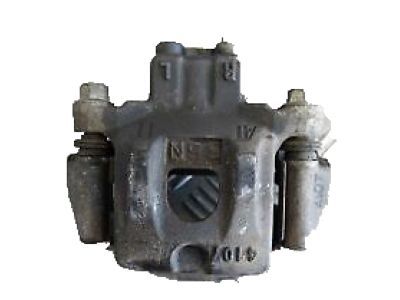
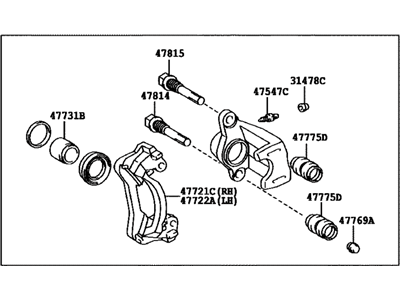
Lexus RX350 Rear Passenger Disc Brake Cylinder Assembly
Part Number: 47830-48050$137.73 MSRP: $187.78You Save: $50.05 (27%)Ships in 1-3 Business Days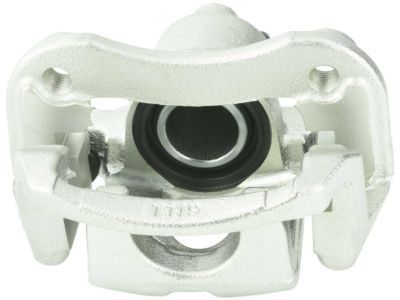
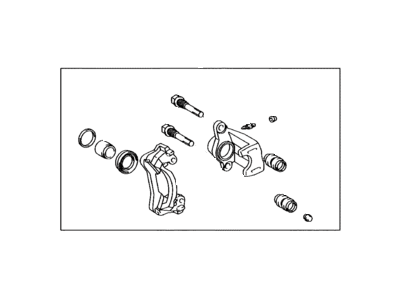
Lexus RX350 Rear Driver Disc Brake Cylinder Assembly
Part Number: 47850-48050$134.92 MSRP: $183.95You Save: $49.03 (27%)Ships in 1-3 Business Days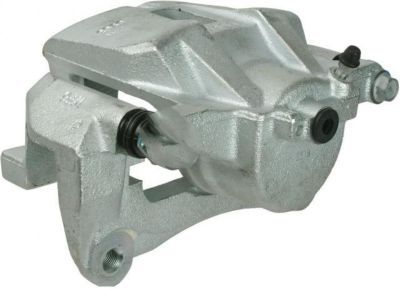
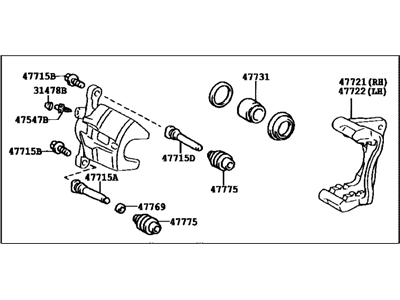
Lexus RX350 Front Passenger Disc Brake Cylinder Assembly
Part Number: 47730-48140$184.82 MSRP: $251.98You Save: $67.16 (27%)Ships in 1-2 Business Days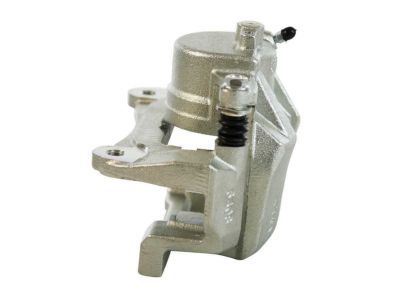
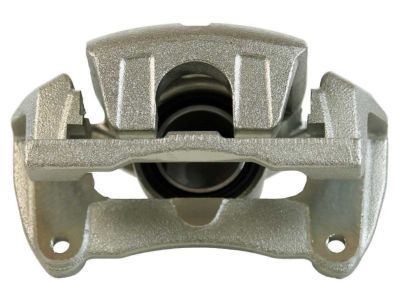
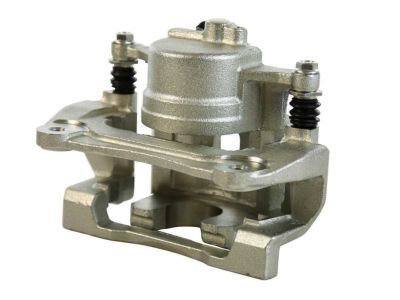
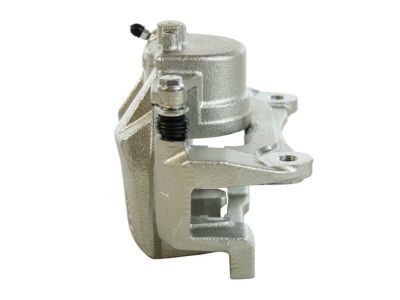
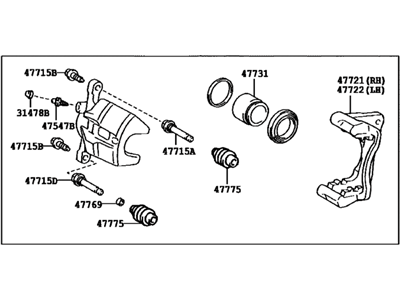
Lexus RX350 Front Disc Brake Cylinder Assembly, Right
Part Number: 47730-0E010$186.33 MSRP: $251.98You Save: $65.65 (27%)Ships in 1-3 Business Days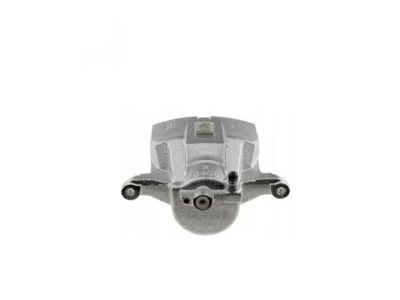
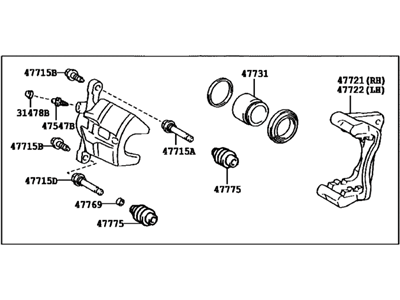
Lexus RX350 Front Left Disc Brake Cylinder Assembly
Part Number: 47750-0E010$153.86 MSRP: $208.07You Save: $54.21 (27%)Ships in 1-3 Business Days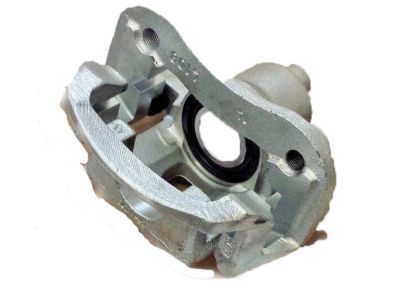
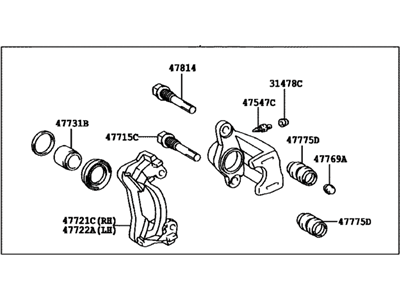
Lexus RX350 Rear Disc Brake Cylinder Assembly, Right
Part Number: 47830-0E010$162.49 MSRP: $221.54You Save: $59.05 (27%)Ships in 1-2 Business Days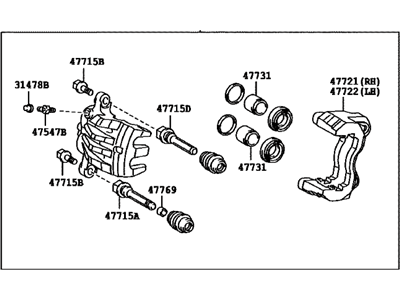
Lexus RX350 Front Left Driver Brake Caliper
Part Number: 47750-0E060$196.29 MSRP: $267.62You Save: $71.33 (27%)Ships in 1-3 Business Days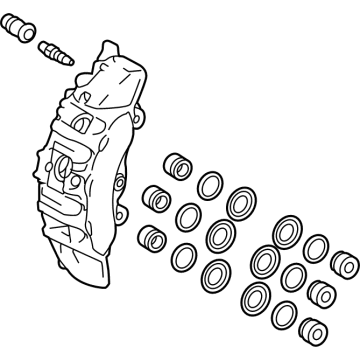
Lexus RX350 Disc Brake Cylinder Assembly
Part Number: 47750-48240$212.02 MSRP: $289.08You Save: $77.06 (27%)Ships in 1-2 Business DaysLexus RX350 Disc Brake Cylinder Assembly
Part Number: 47730-48260$233.62 MSRP: $318.52You Save: $84.90 (27%)Ships in 1-2 Business DaysLexus RX350 Disc Brake Cylinder Assembly
Part Number: 47730-48270$233.62 MSRP: $318.52You Save: $84.90 (27%)Ships in 1-2 Business DaysLexus RX350 Disc Brake Cylinder Assembly
Part Number: 47750-48230$211.78 MSRP: $288.74You Save: $76.96 (27%)Ships in 1-2 Business Days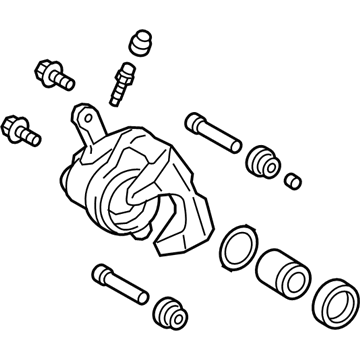
Lexus RX350 Rear Passenger Disc Brake Cylinder Assembly
Part Number: 47830-0E090$138.82 MSRP: $189.28You Save: $50.46 (27%)Ships in 1-3 Business Days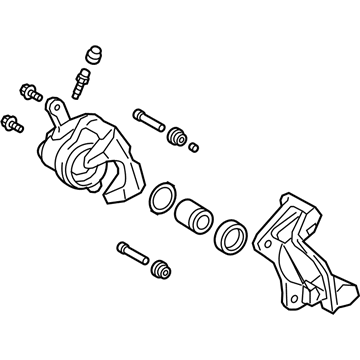
Lexus RX350 Rear Driver Disc Brake Cylinder Assembly
Part Number: 47850-48100$163.35 MSRP: $222.71You Save: $59.36 (27%)Ships in 1-3 Business Days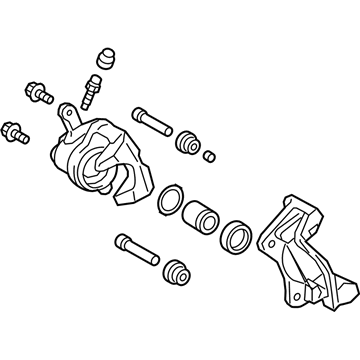
Lexus RX350 Rear Passenger Disc Brake Cylinder Assembly
Part Number: 47830-48100$163.35 MSRP: $222.71You Save: $59.36 (27%)Ships in 1-3 Business DaysLexus RX350 Rear Driver Disc Brake Cylinder Assembly
Part Number: 47850-0E090$138.82 MSRP: $189.28You Save: $50.46 (27%)Ships in 1-3 Business Days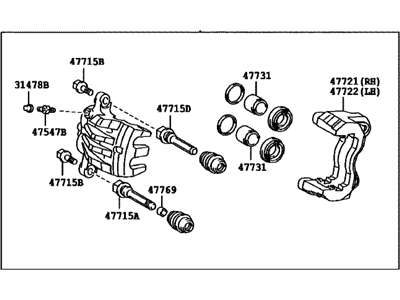
Lexus RX350 Front Passenger Disc Brake Cylinder Assembly
Part Number: 47730-0E060$225.81 MSRP: $307.87You Save: $82.06 (27%)Ships in 1-3 Business Days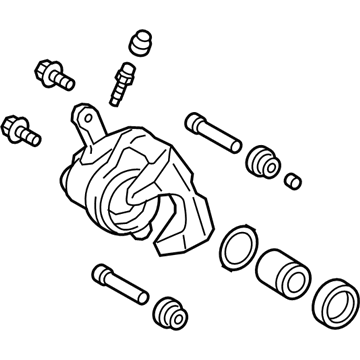
Lexus RX350 Rear Driver Disc Brake Cylinder Assembly
Part Number: 47850-48130$149.93 MSRP: $204.41You Save: $54.48 (27%)Ships in 1-3 Business Days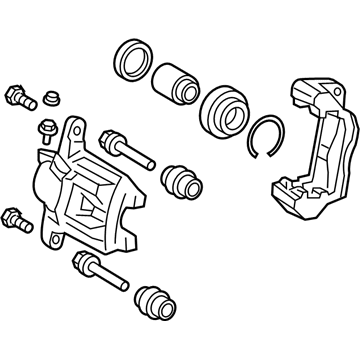
| Page 1 of 3 |Next >
1-20 of 48 Results
Lexus RX350 Brake Caliper
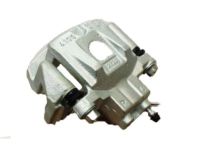
The Lexus RX350 Brake Caliper is a device applied to convert hydraulic pressure to the clamping force that presses the pads on the rotor, bringing the vehicle to a controlled stop. Within its cast iron shell, steel or phenolic pistons ride inside sealed bores and are fed incompressible fluid from the master cylinder applied in Lexus vehicles. Two main designs are displayed on the RX350: floating Brake Caliper and fixed Brake Caliper. Floating versions, typical of many Lexus trims, have one or more pistons on the inboard side and slide on guide pins, saving weight but also prone to pin corrosion and consequent drag or uneven wear of the pistons. Fixed units, available as part of certain sport-oriented RX350 packages, are bolted rigidly in place and utilize multiple opposing pistons for equal pad pressure and stronger feel. Some rear assemblies incorporate a screw-type parking brake feature that has to be wound back with a tool when replacing pads. Symptoms of a failing Brake Caliper include leaks, soft pedal, pulling, grinding sounds, and irregular pad thickness. Routine checks are carried out to keep the Lexus brake system responsive so every RX350 driver can depend on the proper function of a Brake Caliper during daily excursions.
Should you need to purchase new auto parts for your vehicle, we strongly suggest you consider the genuine Lexus RX350 Brake Caliper available on LexusPartsNow.com. Our OEM Lexus RX350 Brake Caliper come with the reassurance of the manufacturer's warranty, a hassle-free return policy, and speedy delivery service, all at affordable prices online. Feel free to shop with confidence!
Lexus RX350 Brake Caliper Parts Questions & Experts Answers
- Q:How to remove the rear Brake Caliper on Lexus RX350?Posted by Dmitry P.A:2016 and later Lexus models are equipped with an electronic parking brake system. Before removing the rear caliper the parking brake system must be placed in "pad replacement mode" which requires the use of a Toyota tech stream scan tool or equivalent. This procedure rotates the nut inside the rear caliper piston allowing the piston to be compressed for new pads or new Brake Disc to be installed. An alternative to the factory scan tool is to unplug the electrical connector from the parking brake actuators, ground one of the terminals on the actuator with a jumper wire and apply battery voltage to the other terminal. Keep an eye on the piston - if it travels outward (applying the parking brake), stop immediately and reverse the connections. Always replace the calipers in pairs - never replace just one of them. To remove, loosen the wheel lug nuts, raise the vehicle and support it securely on jackstands. Remove the wheels. Remove the brake hose banjo bolt and disconnect the hose from the caliper. Plug the hose to keep contaminants out of the brake system and to prevent losing any more brake fluid than is necessary. If you're just removing the caliper for access to other components, don't detach the hose. Remove the caliper mounting bolts. Remove the caliper. If necessary, remove the caliper bracket from the steering knuckle or rear knuckle. To install, reverse the removal procedure. Tighten the caliper mounting bolts (and bracket bolts, if removed) to the torque. Install new sealing washers on either side of the brake hose banjo fitting, then tighten the banjo bolt to the torque. Bleed the brake system. Install the wheels and lug nuts. Lower the vehicle and tighten the lug nuts to the torque. On 2016 and later Lexus models, apply and release the parking brake several times to actuate the caliper pistons and bring them into the proper positions.Answered by Lexus Parts Specialist Ricky / Jan 18, 2023
Related Lexus RX350 Parts
 Lexus RX350 Brake Pad Set
 Lexus RX350 Brake Disc
 Lexus RX350 Brake Caliper Bracket
 Lexus RX350 Brake Bleeder Screw
Browse by Year
2025 Brake Caliper 2024 Brake Caliper 2023 Brake Caliper 2022 Brake Caliper 2021 Brake Caliper 2020 Brake Caliper 2019 Brake Caliper 2018 Brake Caliper 2017 Brake Caliper 2016 Brake Caliper 2015 Brake Caliper 2014 Brake Caliper 2013 Brake Caliper 2012 Brake Caliper 2011 Brake Caliper 2010 Brake Caliper 2009 Brake Caliper 2008 Brake Caliper 2007 Brake Caliper