×
- Hello
- Login or Register
- Quick Links
- Live Chat
- Track Order
- Parts Availability
- RMA
- Help Center
- Contact Us
- Shop for
- Lexus Parts
- Lexus Accessories


My Garage
My Account
Cart
Genuine Lexus RX350 Brake Master Cylinder
- Select Vehicle by Model
- Select Vehicle by VIN
Select Vehicle by Model
orMake
Model
Year
Select Vehicle by VIN
For the most accurate results, select vehicle by your VIN (Vehicle Identification Number).
14 Brake Master Cylinders found
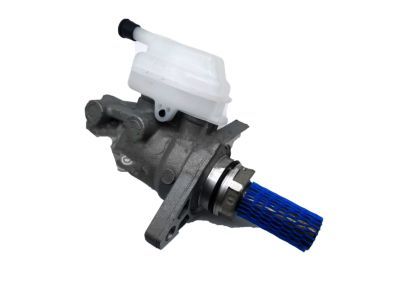
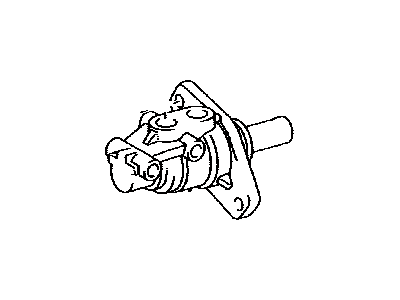
Lexus RX350 Cylinder Sub-Assy, Brake Master W/Plate
Part Number: 47028-0E010$367.19 MSRP: $508.97You Save: $141.78 (28%)Ships in 1-3 Business Days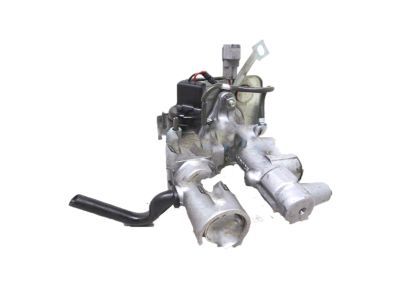
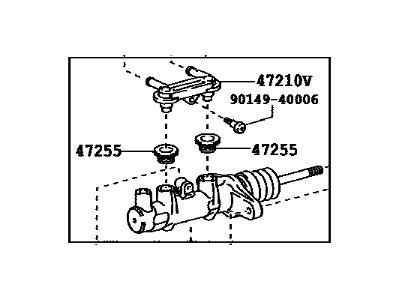
Lexus RX350 Brake Master Cylinder Sub-Assembly
Part Number: 47201-48210$153.71 MSRP: $209.57You Save: $55.86 (27%)Ships in 1-3 Business Days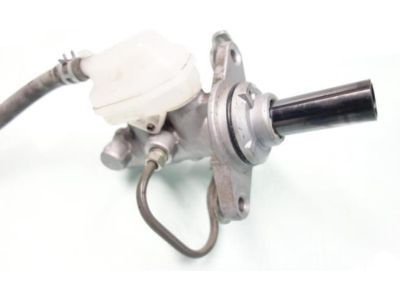
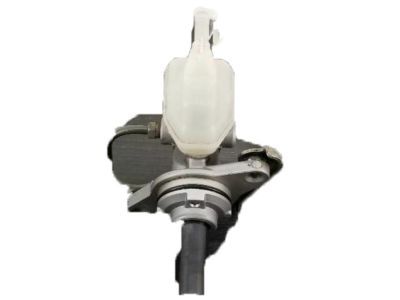
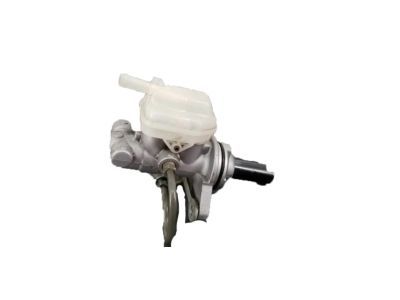
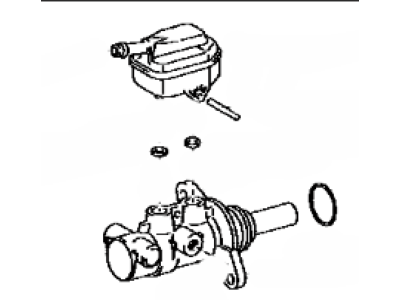
Lexus RX350 Brake Master Cylinder Sub-Assembly
Part Number: 47201-48200$258.63 MSRP: $352.61You Save: $93.98 (27%)Ships in 1-3 Business Days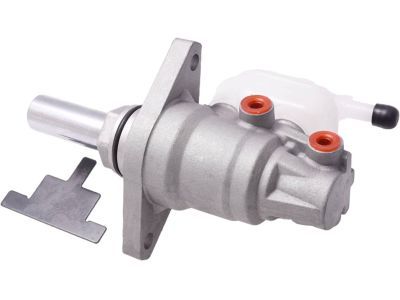
Lexus RX350 Cylinder Sub-Assy, Brake Master W/Plate
Part Number: 47028-48021$373.31 MSRP: $508.97You Save: $135.66 (27%)Ships in 1-3 Business DaysLexus RX350 Brake Master Cylinder Sub-Assembly
Part Number: 47201-48202$258.63 MSRP: $352.61You Save: $93.98 (27%)Ships in 1-3 Business Days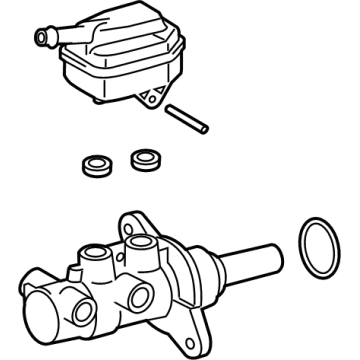
Lexus RX350 CYLINDER SUB-ASSY, B
Part Number: 47201-0E040$218.37 MSRP: $297.72You Save: $79.35 (27%)Ships in 1-3 Business Days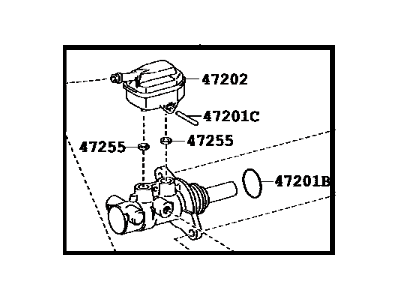
Lexus RX350 Cylinder Sub-Assembly, B
Part Number: 47201-0E060$254.39 MSRP: $352.61You Save: $98.22 (28%)Ships in 1-3 Business Days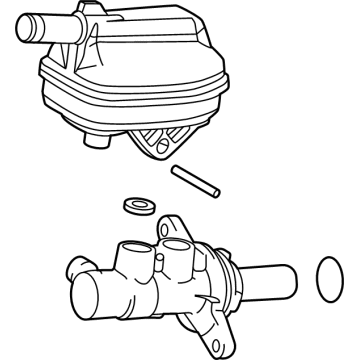
Lexus RX350 CYLINDER SUB-ASSY, B
Part Number: 47201-48240$270.59 MSRP: $375.08You Save: $104.49 (28%)Ships in 1-2 Business Days
Lexus RX350 Brake Booster Assembly With Master Cylinder
Part Number: 47050-48510$1563.59 MSRP: $2167.34You Save: $603.75 (28%)Ships in 1-2 Business DaysLexus RX350 Brake Booster Assembly With Master Cylinder
Part Number: 47050-48520$1563.59 MSRP: $2167.34You Save: $603.75 (28%)Ships in 1-2 Business Days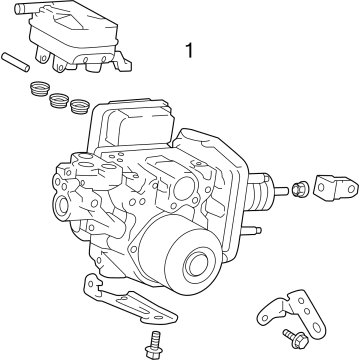
Lexus RX350 Brake Booster Assembly With Master Cylinder
Part Number: 47050-48400$1577.99 MSRP: $2187.30You Save: $609.31 (28%)Ships in 1-2 Business DaysLexus RX350 Brake Booster Assembly With Master Cylinder
Part Number: 47050-48410$1577.99 MSRP: $2187.30You Save: $609.31 (28%)Ships in 1-2 Business DaysLexus RX350 Brake Booster Assembly With Master Cylinder
Part Number: 47050-48450$1579.19 MSRP: $2188.96You Save: $609.77 (28%)Ships in 1-2 Business DaysLexus RX350 Brake Master Cylinder Sub-Assembly
Part Number: 47201-48201$258.63 MSRP: $352.61You Save: $93.98 (27%)Ships in 1-3 Business Days
Lexus RX350 Brake Master Cylinder
The Lexus RX350 Brake Master Cylinder translates the pressure of your foot into hydraulic pressure to ensure that the SUV stops with confidence. Mounted on the front of the vacuum booster, the Brake Master Cylinder contains two pistons which push the brake fluid down twin circuits to ensure that even if one should fail, the other should have enough grip to bring the RX350 to a stop, keeping Lexus standards high. An internal return spring snaps the pistons back when the pedal is raised, and small ports and cup seals keep the bore flooded with fluid for repeat performance. Through the years, the model has employed two primary reservoir designs, one being an older style integral metal construction having one bail secured cap and a more modern style external plastic tank sealed by O-rings and screw caps, both feeding the Brake Master Cylinder without allowing air in. Drivers may notice a low pedal or damp booster face if seals are leaking or from moisture corrosion to the bore to warn that the Brake Master Cylinder needs attention before the RX350 loses braking strength and the Lexus reputation for safety is compromised as a result of a failing Brake Master Cylinder in the Lexus RX350.
Should you need to purchase new auto parts for your vehicle, we strongly suggest you consider the genuine Lexus RX350 Brake Master Cylinder available on LexusPartsNow.com. Our OEM Lexus RX350 Brake Master Cylinder come with the reassurance of the manufacturer's warranty, a hassle-free return policy, and speedy delivery service, all at affordable prices online. Feel free to shop with confidence!
Lexus RX350 Brake Master Cylinder Parts Questions & Experts Answers
- Q:How to remove and install a brake master cylinder on Lexus RX350?Posted by Kuruvilla G.A:Remove top engine cover. Remove strut brace from between the strut towers. On 2004 and later Lexus models, remove cowl tray from engine compartment. Remove air filter housing. Remove as much fluid as possible from reservoir with syringe. Unplug electrical connector for brake fluid level warning switch. Place rags under fittings and prepare caps or plastic bags to cover ends of lines once disconnected. Loosen fittings at ends of brake lines where they enter Brake Master Cylinder. Carefully move brake lines away from Brake Master Cylinder and plug ends. Remove nuts attaching Brake Master Cylinder to power booster. Pull Brake Master Cylinder off studs to remove it. If necessary, remove brake lines going to ABS actuator from Brake Master Cylinder. Caution: If Brake Master Cylinder is dropped, it must be replaced. Installation: Bench bleed new Brake Master Cylinder before installing it. Attach pair of Brake Master Cylinder bleeder tubes to outlet ports of Brake Master Cylinder. Fill reservoir with recommended brake fluid. Slowly push pistons into Brake Master Cylinder to expel air. Repeat procedure until no more air bubbles are present. Remove bleed tubes and install plugs in open ports. Adjust booster pushrod length if installing new Brake Master Cylinder. Install reservoir cover, then install Brake Master Cylinder over studs on power brake booster and tighten attaching nuts finger tight. Thread brake line fittings into Brake Master Cylinder. Tighten mounting nuts and brake line fittings securely. Fill Brake Master Cylinder reservoir with fluid, then bleed Brake Master Cylinder and brake system. If necessary, bleed lines at ABS actuator. The remainder of installation is the reverse of removal. Test operation of brake system carefully before placing vehicle into normal service.Answered by Lexus Parts Specialist Steven / Nov 10, 2025
Related Lexus RX350 Parts

Browse by Year
2025 Brake Master Cylinder 2024 Brake Master Cylinder 2023 Brake Master Cylinder 2022 Brake Master Cylinder 2021 Brake Master Cylinder 2020 Brake Master Cylinder 2019 Brake Master Cylinder 2018 Brake Master Cylinder 2017 Brake Master Cylinder 2016 Brake Master Cylinder 2015 Brake Master Cylinder 2014 Brake Master Cylinder 2013 Brake Master Cylinder 2012 Brake Master Cylinder 2011 Brake Master Cylinder 2010 Brake Master Cylinder 2009 Brake Master Cylinder 2008 Brake Master Cylinder 2007 Brake Master Cylinder