×
- Hello
- Login or Register
- Quick Links
- Live Chat
- Track Order
- Parts Availability
- RMA
- Help Center
- Contact Us
- Shop for
- Lexus Parts
- Lexus Accessories


My Garage
My Account
Cart
Genuine Lexus RX350 Oil Pan
Oil Drain Pan- Select Vehicle by Model
- Select Vehicle by VIN
Select Vehicle by Model
orMake
Model
Year
Select Vehicle by VIN
For the most accurate results, select vehicle by your VIN (Vehicle Identification Number).
28 Oil Pans found
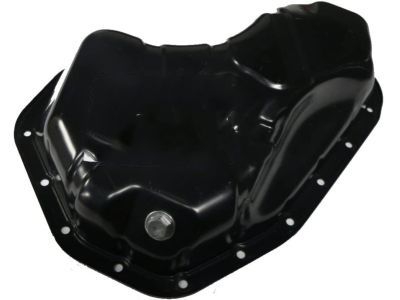
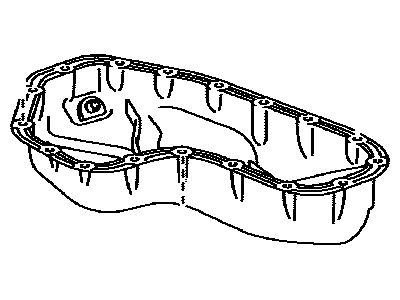
Lexus RX350 Pan Sub-Assy, Oil, NO.2
Part Number: 12102-0P020$147.49 MSRP: $201.08You Save: $53.59 (27%)Ships in 1-3 Business Days
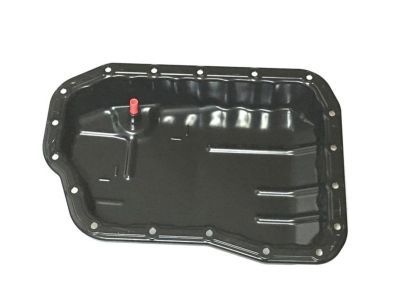
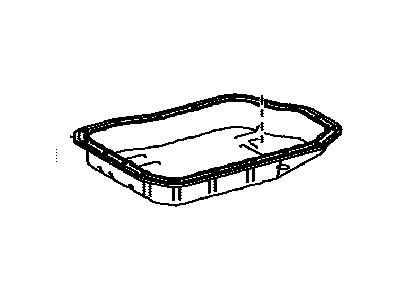
Lexus RX350 Pan Sub-Assembly, TRANSAXLE
Part Number: 35106-48011$119.30 MSRP: $161.33You Save: $42.03 (27%)Ships in 1-2 Business Days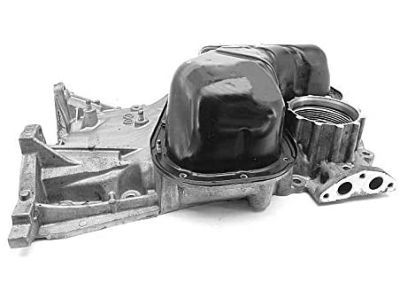
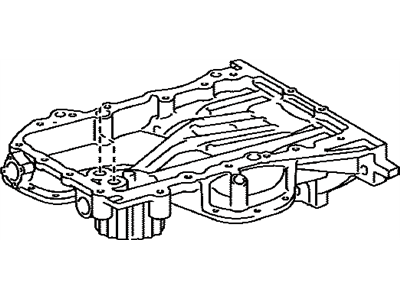
Lexus RX350 Oil Pan No.1
Part Number: 12111-0P050$202.51 MSRP: $276.10You Save: $73.59 (27%)Ships in 1-3 Business Days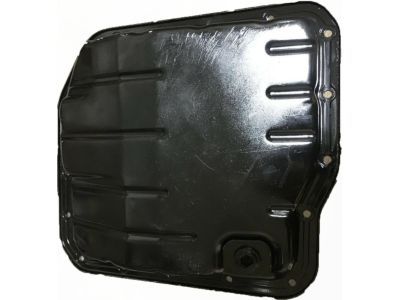
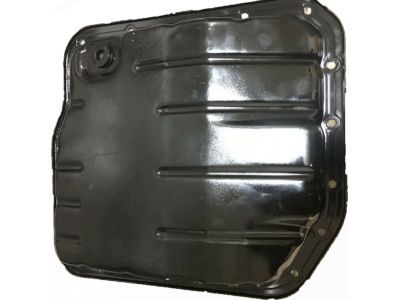
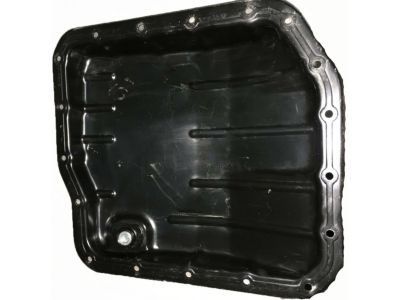
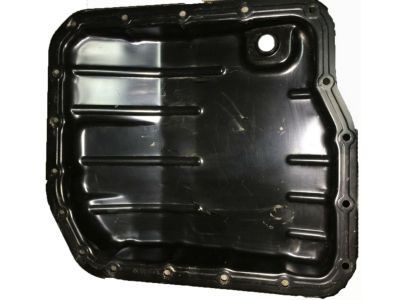
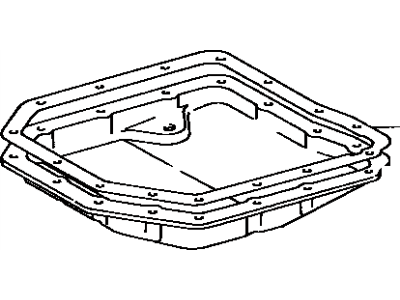
Lexus RX350 Pan Sub-Assy, Automatic Transaxle Oil
Part Number: 35106-33040$129.14 MSRP: $174.64You Save: $45.50 (27%)Ships in 1-3 Business Days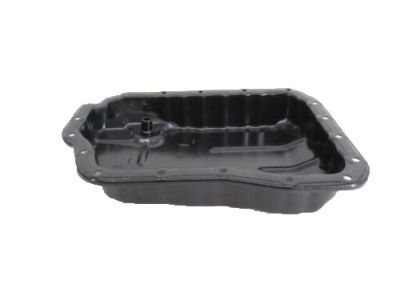
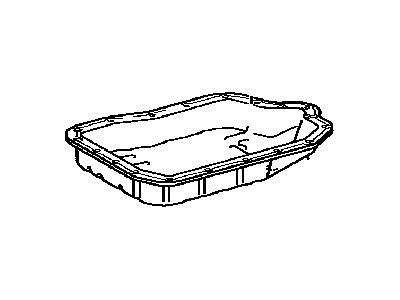
Lexus RX350 Pan Sub-Assy, Automatic Transaxle Oil
Part Number: 35106-07010$111.92 MSRP: $151.35You Save: $39.43 (27%)Ships in 1-3 Business Days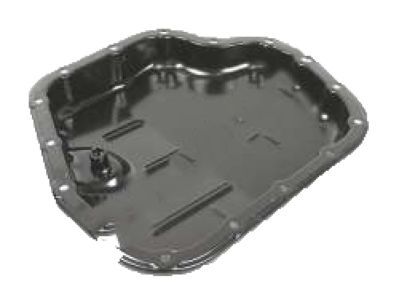
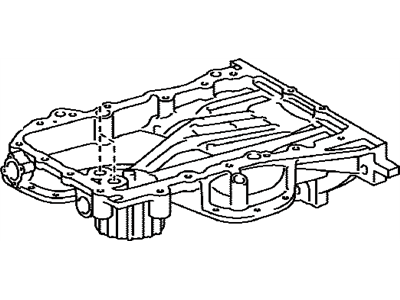
Lexus RX350 Oil Pan No.1
Part Number: 12111-31150$204.17 MSRP: $276.10You Save: $71.93 (27%)Ships in 1-3 Business Days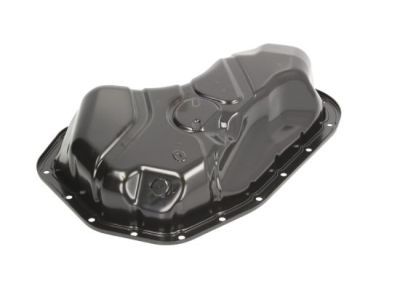
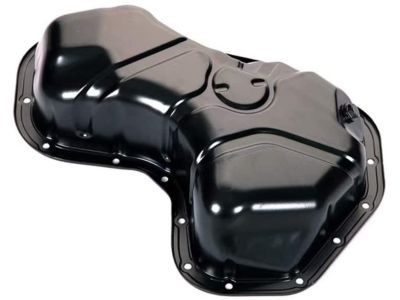
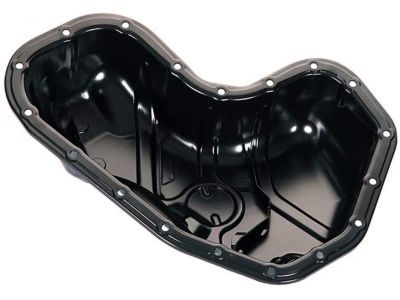
Lexus RX350 Pan Sub-Assy, Oil, NO.2
Part Number: 12102-31050$148.69 MSRP: $201.08You Save: $52.39 (27%)Ships in 1-3 Business Days
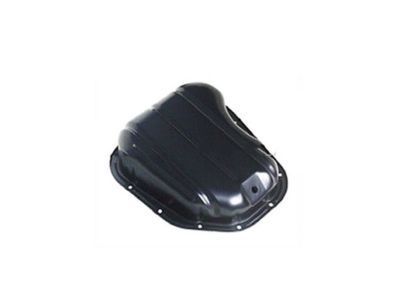
Lexus RX350 Pan Sub-Assy, Oil, NO.2
Part Number: 12102-0A010$184.49 MSRP: $249.49You Save: $65.00 (27%)Ships in 1-3 Business Days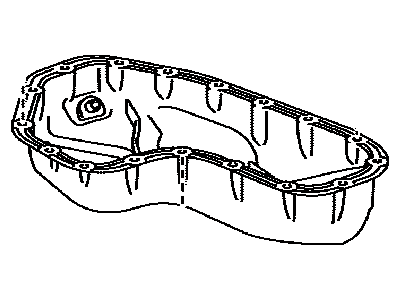
Lexus RX350 Oil Pan Sub-Assembly
Part Number: 12102-0P041$165.91 MSRP: $226.20You Save: $60.29 (27%)Ships in 1-3 Business DaysLexus RX350 Oil Pan Sub-Assembly
Part Number: 12102-31101$153.71 MSRP: $209.57You Save: $55.86 (27%)Ships in 1-3 Business DaysLexus RX350 Oil Pan Sub-Assembly
Part Number: 12102-31051$148.69 MSRP: $201.08You Save: $52.39 (27%)Ships in 1-3 Business Days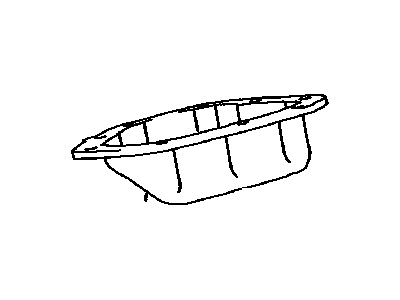
Lexus RX350 Pan Sub-Assy, Oil, NO.2
Part Number: 12102-20010$182.99 MSRP: $249.49You Save: $66.50 (27%)Ships in 1-3 Business DaysLexus RX350 Oil Pan Sub-Assembly
Part Number: 12101-0P040$200.07 MSRP: $272.77You Save: $72.70 (27%)Ships in 1-3 Business DaysLexus RX350 Pan Sub-Assembly Oil N
Part Number: 12102-F0010$118.93 MSRP: $160.83You Save: $41.90 (27%)Ships in 1-3 Business DaysLexus RX350 Pan Sub-Assy, Automatic Transaxle Oil
Part Number: 35106-08010$128.09 MSRP: $174.64You Save: $46.55 (27%)Ships in 1-3 Business DaysLexus RX350 Oil Pan Sub-Assembly
Part Number: 12101-31121$196.90 MSRP: $268.45You Save: $71.55 (27%)Ships in 1-3 Business Days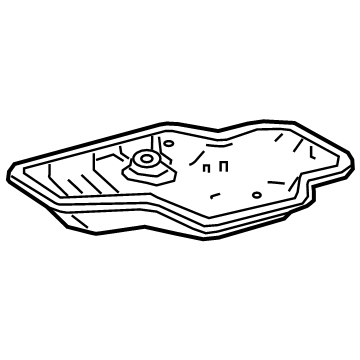
Lexus RX350 PAN SUB-ASSY, OIL, N
Part Number: 12102-F0040$116.84 MSRP: $158.00You Save: $41.16 (27%)Ships in 1-2 Business Days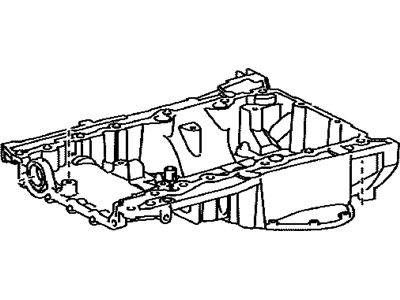
Lexus RX350 Pan Assembly, Oil
Part Number: 12100-31040$198.85 MSRP: $271.11You Save: $72.26 (27%)Ships in 1-3 Business DaysLexus RX350 Pan Assembly, Oil
Part Number: 12100-31051$198.85 MSRP: $271.11You Save: $72.26 (27%)Ships in 1-3 Business DaysLexus RX350 Oil Pan Sub-Assembly
Part Number: 12101-0P050$198.85 MSRP: $271.11You Save: $72.26 (27%)Ships in 1-3 Business Days
| Page 1 of 2 |Next >
1-20 of 28 Results
Lexus RX350 Oil Pan
The Lexus RX350 Oil Pan is the main oil tank for the engine and keeps lubricant securely contained beneath the engine block so that all of its moving parts are protected. Inside the majority of the RX350, this Oil Pan comprises a wet sump system in which oil is held in the pan until pumped around by the pump using circulations. The compact layout saves space, but the engine is a little higher to fit the sump and there are some internal baffles to limit slosh during sharp maneuvers to help prevent starving the pump. Earlier and current versions of the Lexus RX350 still employ this wet sump format, but high-performance machines sometimes use the dry sump format, which employs an additional scavenging pump and an external tank for continuous pressure provision in hard cornering. Because of the heavier and more complicated nature of a dry setup, the wet sump Oil Pan is still the sensible choice for everyday Lexus drivers interested in quiet operation and simple maintenance. Over the years, the RX350 wet sump Oil Pan has primarily seen improvements in gaskets and bolt patterns to reduce leaks, as well as the familiar steel or aluminum shell it is made out of. In a nutshell, Lexus owners can be sure that the Oil Pan can store and provide important oil with confidence with very little fuss.
Should you need to purchase new auto parts for your vehicle, we strongly suggest you consider the genuine Lexus RX350 Oil Pan available on LexusPartsNow.com. Our OEM Lexus RX350 Oil Pan come with the reassurance of the manufacturer's warranty, a hassle-free return policy, and speedy delivery service, all at affordable prices online. Feel free to shop with confidence!
Lexus RX350 Oil Pan Parts Questions & Experts Answers
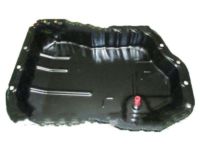
- Q:How to remove and install the oil pans in 3.5L V6 engine on Lexus RX350?Posted by Vadim A.A:The manufacturer recommends removing the engine and transaxle assembly to perform this procedure. There are two oil pans: a lower oil pan that mounts to the upper oil pan and an upper sub-assembly oil pan that mounts to the engine block. Begin by draining the engine oil. Next, remove the bolts and nuts securing the smaller stamped steel oil pan to the larger cast aluminum oil pan. The smaller oil pan may be stuck due to RTV sealant; gently tap it loose with a rubber-lipped mallet or carefully cut the sealant with a putty knife and hammer, ensuring not to damage the mating surfaces. Remove the two oil pump pickup tube/strainer mounting nuts and the brace bolt, then take out the pickup/strainer assembly. Proceed to remove the bolts and nuts securing the larger oil pan to the engine block, and carefully pry it loose, only in the small cutout areas along the side. Remove the two O-rings from the bottom of the engine block, and if necessary, the sheet metal baffle plate can be taken out at this time. For installation, if the baffle plate was removed, reinstall it and tighten the fasteners to the specified torque. Use a scraper to eliminate all traces of old sealant from the block and oil pan, and clean the mating surfaces with brake system cleaner. Ensure the threaded holes in the block are clean, then install new O-rings, securing them with clean grease if needed. Check the flange of the steel oil pan for distortion around the bolt holes; if necessary, flatten it on a wood block with a hammer. Inspect the strainer for cracks or blockage, clean it with solvent, and install it with a new gasket, tightening the fasteners to the specified torque. Apply a 1/8-inch bead of RTV sealant to the upper oil pan flange, position the pan onto the block, and install the fasteners, tightening them from the center out to the specified torque. After installing the aluminum portion of the oil pan, apply a bead of RTV sealant to the flange of the smaller oil pan, position it on the upper oil pan, and install the bolts, tightening them from the center out to the specified torque. Finally, the remainder of the installation follows the reverse order of removal; add oil and install a new filter, then run the engine and check for leaks.Answered by Lexus Parts Specialist Bernardo / Feb 27, 2025
Related Lexus RX350 Parts
 Lexus RX350 Drain Plug Washer
 Lexus RX350 Oil Filter
 Lexus RX350 Drain Plug
 Lexus RX350 Dipstick
 Lexus RX350 Dipstick Tube
 Lexus RX350 Oil Pump
 Lexus RX350 Crankshaft Pulley
 Lexus RX350 Oil Cooler
 Lexus RX350 Piston Ring Set
 Lexus RX350 Rod Bearing
 Lexus RX350 Oil Pressure Switch
 Lexus RX350 Crankshaft Thrust Washer Set