×
- Hello
- Login or Register
- Quick Links
- Live Chat
- Track Order
- Parts Availability
- RMA
- Help Center
- Contact Us
- Shop for
- Lexus Parts
- Lexus Accessories


My Garage
My Account
Cart
Genuine Lexus RX350 Coil Springs
Strut Spring- Select Vehicle by Model
- Select Vehicle by VIN
Select Vehicle by Model
orMake
Model
Year
Select Vehicle by VIN
For the most accurate results, select vehicle by your VIN (Vehicle Identification Number).
67 Coil Springs found
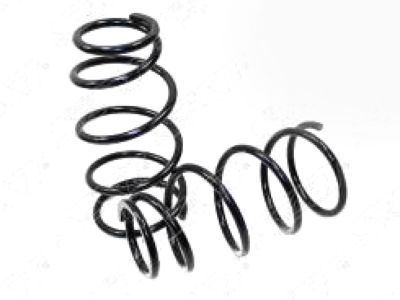
Lexus RX350 Front Coil Spring
Part Number: 48131-0E021$279.73 MSRP: $381.39You Save: $101.66 (27%)Ships in 1-3 Business Days
Lexus RX350 Rear Coil Spring
Part Number: 48231-0E021$192.38 MSRP: $262.29You Save: $69.91 (27%)Ships in 1-3 Business Days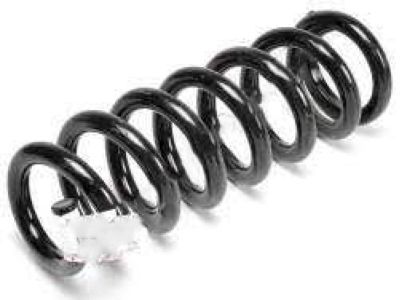
Lexus RX350 Spring, Front Coil, RH
Part Number: 48131-48710$247.67 MSRP: $343.30You Save: $95.63 (28%)Ships in 1-3 Business Days
Lexus RX350 Spring, Coil, Front NO.
Part Number: 48131-0E270$176.52 MSRP: $240.67You Save: $64.15 (27%)Ships in 1-3 Business Days
Lexus RX350 Rear Coil Spring
Part Number: 48231-0E010$151.77 MSRP: $205.24You Save: $53.47 (27%)Ships in 1-3 Business DaysLexus RX350 Spring, Front Coil, RH
Part Number: 48131-0E040$219.34 MSRP: $299.05You Save: $79.71 (27%)Ships in 1-2 Business Days
Lexus RX350 Spring, Front Coil, LH
Part Number: 48132-0E020$219.34 MSRP: $299.05You Save: $79.71 (27%)Ships in 1-2 Business Days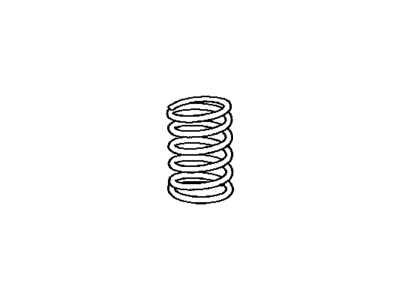
Lexus RX350 Rear Coil Spring
Part Number: 48231-0E040$226.66 MSRP: $309.03You Save: $82.37 (27%)Ships in 1-3 Business DaysLexus RX350 Rear Coil Spring
Part Number: 48231-0E020$193.96 MSRP: $262.29You Save: $68.33 (27%)Ships in 1-3 Business DaysLexus RX350 Spring, Front Coil, RH
Part Number: 48131-48660$208.24 MSRP: $283.92You Save: $75.68 (27%)Ships in 1-3 Business Days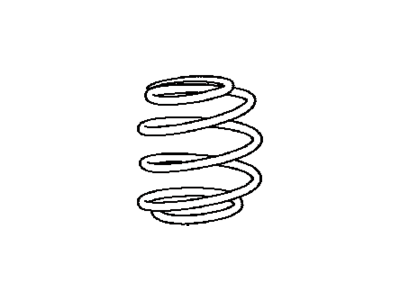
Lexus RX350 Spring, Front Coil, LH
Part Number: 48132-48040$208.24 MSRP: $283.92You Save: $75.68 (27%)Ships in 1-3 Business DaysLexus RX350 Front Coil Spring
Part Number: 48131-0E022$275.15 MSRP: $381.39You Save: $106.24 (28%)Ships in 1-3 Business DaysLexus RX350 Spring, Coil, Front NO.
Part Number: 48131-0E280$206.41 MSRP: $281.42You Save: $75.01 (27%)Ships in 1-3 Business Days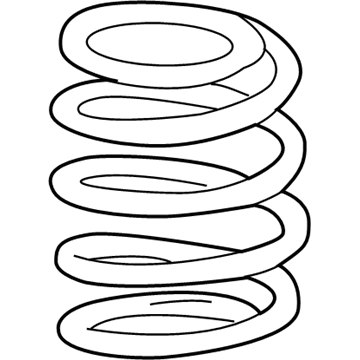
Lexus RX350 Spring, Coil, Front NO.
Part Number: 48132-0E170$206.41 MSRP: $281.42You Save: $75.01 (27%)Ships in 1-3 Business Days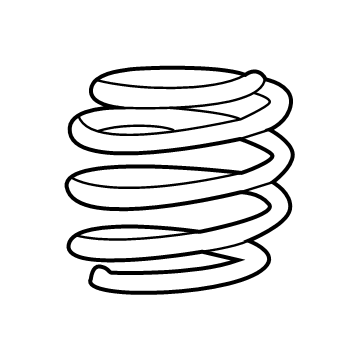
Lexus RX350 Front Coil Spring
Part Number: 48131-48A40$130.04 MSRP: $177.30You Save: $47.26 (27%)Ships in 1-2 Business Days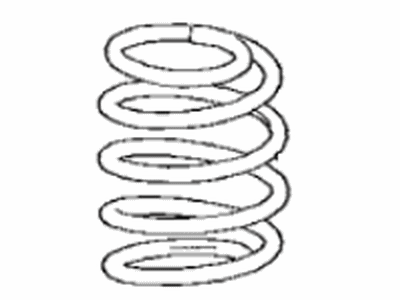
Lexus RX350 Spring, Coil, FR NO.
Part Number: 48132-48152$141.39 MSRP: $192.77You Save: $51.38 (27%)Ships in 1-3 Business Days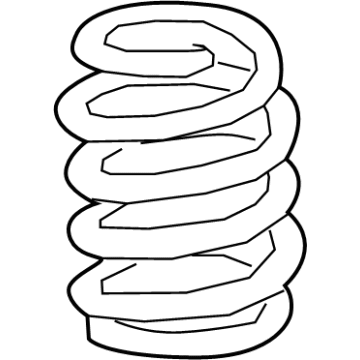
Lexus RX350 Rear Coil Spring
Part Number: 48231-48A00$142.95 MSRP: $194.90You Save: $51.95 (27%)Ships in 1-2 Business Days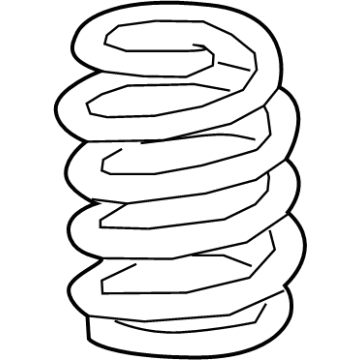
Lexus RX350 Rear Coil Spring
Part Number: 48231-48A80$185.55 MSRP: $252.98You Save: $67.43 (27%)Ships in 1-2 Business Days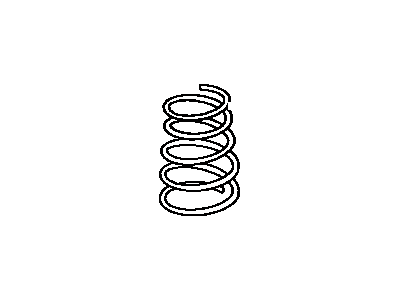
Lexus RX350 Rear Coil Spring
Part Number: 48231-48180$189.09 MSRP: $257.80You Save: $68.71 (27%)Ships in 1-3 Business Days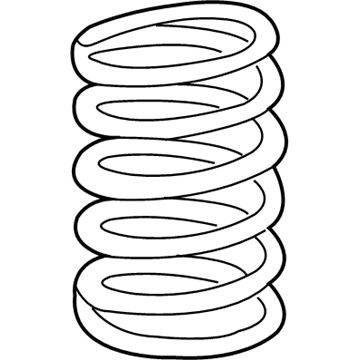
Lexus RX350 Rear Coil Spring
Part Number: 48231-0E270$202.39 MSRP: $275.93You Save: $73.54 (27%)Ships in 1-3 Business Days
| Page 1 of 4 |Next >
1-20 of 67 Results
Lexus RX350 Coil Springs
The Lexus RX350 Coil Springs maintain the level and comfort of the SUV by bearing its weight and absorbing bumps, as well as avoiding sag and uneven tire wear. Every Lexus wheel has a special spring whose free length and spring rate determine the reaction to potholes, corners, and cargo of the RX350. Linear rate Coil Springs are spaced equally to provide a predictable, smooth ride, and progressive versions vary the spacing along the helix, so that the soft portion slides over small cracks and then stiffens to prevent bottoming on hard turns or heavy loads. Certain earlier RX350 trims were based on the linear design, although later Lexus editions had progressive or dual rate designs which combine two different stages to provide sharper handling without compromising smoothness. Whichever style, correctly rated Coil Springs keep the vehicle at the right ride height and a drooping corner is an indicator that Coil Springs are worn or broken and may cause the vehicle to lose its alignment. The selection of appropriate Coil Springs allows matching spring rate to the weight of the vehicle in order to keep the RX350 in readiness on any road. It is that balance that contributes to Lexus owners having a comfortable steering experience and even wear on tires.
Should you need to purchase new auto parts for your vehicle, we strongly suggest you consider the genuine Lexus RX350 Coil Springs available on LexusPartsNow.com. Our OEM Lexus RX350 Coil Springs come with the reassurance of the manufacturer's warranty, a hassle-free return policy, and speedy delivery service, all at affordable prices online. Feel free to shop with confidence!
Lexus RX350 Coil Springs Parts Questions & Experts Answers
- Q:How to remove and install the rear Coil Springs on Lexus RX350?A:Before raising the vehicle, measure the distance from the ground to the bottom of the rear suspension arm and record the measurement. Loosen the rear wheel lug nuts, then raise the rear of the vehicle and support it securely on jackstands before removing the rear wheels. Remove the fasteners and shield of the rear suspension arm plastic shield, if equipped. Disconnect the rear stabilizer bar link from the suspension arm. Using paint or a permanent marker, mark the position of the adjuster cams on the rear suspension arm for accurate reinstallation, then loosen the inside bolt and nut. Place a floor jack with a wooden block under the rear suspension arm below the coil spring pocket and raise the arm approximately 1 inch. Remove the lower arm-to-rear axle carrier (outer) bolt and slowly lower the rear suspension arm until the coil spring can be safely removed. Check and replace, if necessary, the coil spring upper and lower insulators. Set the coil spring into the rear suspension arm with the identifying mark facing outwards, then place the floor jack and wooden block under the rear suspension arm and begin to raise the arm until the top of the spring is seated against the upper insulator and rear subframe. Install the lower arm-to-axle carrier (outer) bolt and nut. Using the floor jack, raise the rear suspension arm to simulate the ride height measured earlier. Tighten the lower suspension arm nuts and bolts to the specified torque, ensuring the adjuster cams are in their original locations before tightening. Install the rear stabilizer bar link and tighten the nut to the specified torque. Finally, install the rear wheels and tighten the lug nuts to the specified torque, and consider having the rear alignment checked and adjusted if necessary.
Related Lexus RX350 Parts
 Lexus RX350 Strut Housing
 Lexus RX350 Coil Spring Insulator
 Lexus RX350 Wheelhouse
 Lexus RX350 Tie Rod End
 Lexus RX350 Shock And Strut Mount
 Lexus RX350 Bump Stop
 Lexus RX350 Fender
 Lexus RX350 Front Cross-Member
 Lexus RX350 Rear Crossmember
Browse by Year
2025 Coil Springs 2024 Coil Springs 2023 Coil Springs 2022 Coil Springs 2021 Coil Springs 2020 Coil Springs 2019 Coil Springs 2018 Coil Springs 2017 Coil Springs 2016 Coil Springs 2015 Coil Springs 2014 Coil Springs 2013 Coil Springs 2012 Coil Springs 2011 Coil Springs 2010 Coil Springs 2009 Coil Springs 2008 Coil Springs 2007 Coil Springs