×
- Hello
- Login or Register
- Quick Links
- Live Chat
- Track Order
- Parts Availability
- RMA
- Help Center
- Contact Us
- Shop for
- Lexus Parts
- Lexus Accessories


My Garage
My Account
Cart
Genuine Lexus RX350 Timing Chain
Engine Timing Chain- Select Vehicle by Model
- Select Vehicle by VIN
Select Vehicle by Model
orMake
Model
Year
Select Vehicle by VIN
For the most accurate results, select vehicle by your VIN (Vehicle Identification Number).
12 Timing Chains found
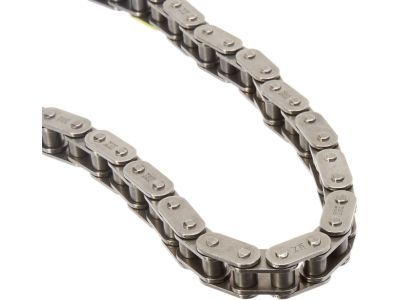
Lexus RX350 Chain Sub-Assembly, No.2
Part Number: 13507-0P010$76.37 MSRP: $103.28You Save: $26.91 (27%)Ships in 1-3 Business Days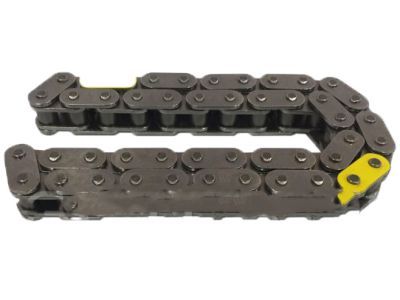
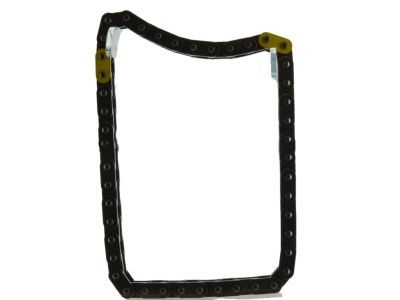
Lexus RX350 Chain Sub-Assembly, No.2
Part Number: 13507-31020$76.37 MSRP: $103.28You Save: $26.91 (27%)Ships in 1-3 Business Days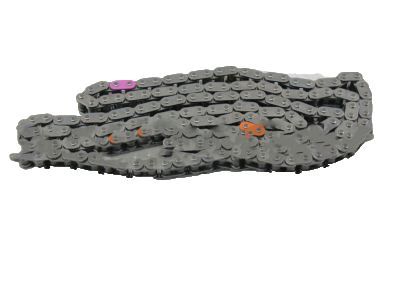
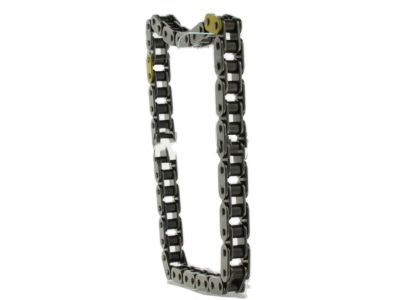
Lexus RX350 Chain Sub-Assembly
Part Number: 13506-31031$252.28 MSRP: $343.96You Save: $91.68 (27%)Ships in 1-3 Business Days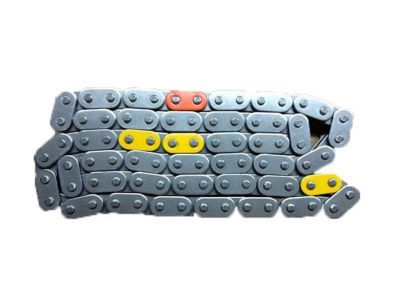
Lexus RX350 Chain Sub-Assembly
Part Number: 13506-31020$252.28 MSRP: $343.96You Save: $91.68 (27%)Ships in 1-3 Business DaysLexus RX350 Engine Timing Chain
Part Number: 13506-0P011$248.15 MSRP: $343.96You Save: $95.81 (28%)Ships in 1-3 Business Days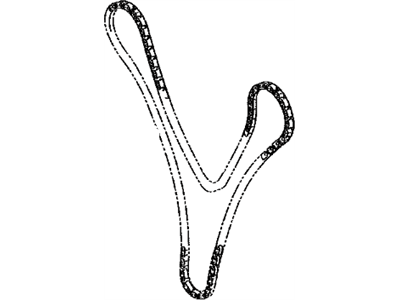
Lexus RX350 Chain Sub-Assembly, NO.1
Part Number: 13506-0P030$248.63 MSRP: $344.63You Save: $96.00 (28%)Ships in 1-3 Business DaysLexus RX350 Chain Sub-Assembly, NO.1
Part Number: 13506-31060$252.77 MSRP: $344.63You Save: $91.86 (27%)Ships in 1-3 Business Days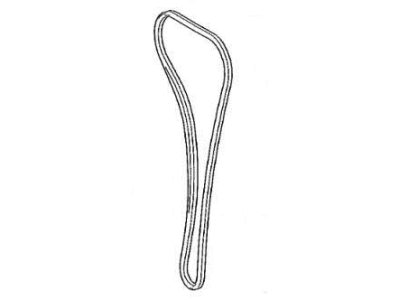
Lexus RX350 CHAIN SUB-ASSY, TIMI
Part Number: 13506-25040$217.64 MSRP: $296.73You Save: $79.09 (27%)Ships in 1-3 Business Days
Lexus RX350 CHAIN SUB-ASSY, TIMI
Part Number: 13506-F0030$217.64 MSRP: $296.73You Save: $79.09 (27%)Ships in 1-2 Business DaysLexus RX350 Timing Chain Sub-Assembly
Part Number: 13506-F0010$227.64 MSRP: $310.37You Save: $82.73 (27%)Ships in 1-3 Business Days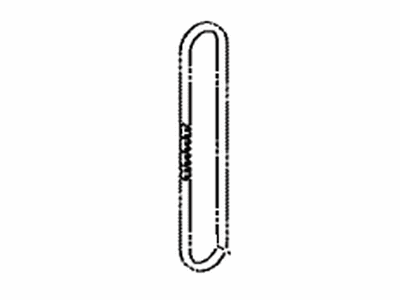
Lexus RX350 Transmission Chain
Part Number: 35781-06010$150.91 MSRP: $204.08You Save: $53.17 (27%)Ships in 1-3 Business DaysLexus RX350 Chain Sub-Assembly
Part Number: 13506-0P010$252.28 MSRP: $343.96You Save: $91.68 (27%)Ships in 1-3 Business Days
Lexus RX350 Timing Chain
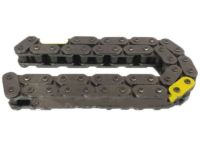
Lexus RX350 Timing Chain offers long lasting and accurate valve timing, keeping the SUV V6 or turbo four engine running at maximum capacity and preventing expensive surprises on the road. This Timing Chain is made of hardened steel links that slide in a constant oil bath to resist stretch and wear for hundreds of thousands of miles, which has earned every Lexus a reputation for reliability. The element is integrated with variable valve timing actuators, hydraulic tensioners, and low-friction guides, which guarantee immediate response when the highway is merging and quietness in city traffic. In a first-generation Lexus RX350, the refined third-generation model, or the advanced fourth-generation crossover, the same robust Timing Chain ensures the ideal synchronization of the crankshaft and the camshafts, enhancing combustion efficiency, reducing emissions, and preserving fuel economy. Its metal to metal engagement can withstand extreme heat and load, and the self-adjusting tensioner maintains slackness to prevent jump-teeth incidents that would otherwise endanger engine safety. The drivers enjoy acceleration that is smooth, constant towing, as well as the peace of mind knowing that there are no replacement schedules as witnessed with belts. The Lexus RX350 Timing Chain is a trustworthy product, and it proves the longevity of all Lexus RX350. The timeless engineering of the Lexus Timing Chain in a luxury crossover market allows each RX350 owner added performance insurance that is not as flashy as the newer and less proven options. Its quiet rasp under the hood, low maintenance requirements, and the capability to manage spirited weekend trips or long commuting are all aspects that make it a popular Timing Chain with loyal customers.
Should you need to purchase new auto parts for your vehicle, we strongly suggest you consider the genuine Lexus RX350 Timing Chain available on LexusPartsNow.com. Our OEM Lexus RX350 Timing Chain come with the reassurance of the manufacturer's warranty, a hassle-free return policy, and speedy delivery service, all at affordable prices online. Feel free to shop with confidence!
Lexus RX350 Timing Chain Parts Questions & Experts Answers
- Q:How to remove and install a Timing Chain and Variable Timing Sprocket in the 3.5L V6 engine on Lexus RX350?Posted by Valery O.A:The Lexus RX300, RX330, and RX350 disassembly manual says professionals with specialized knowledge should handle the timing system of these models because it's tricky. The supplier says to take out the entire engine and transmission first. Put the engine and transmission in place first, then take off the belt system along with its tensioner. Eliminate the idler pulleys after that. When the engine is at TDC, take off the crankshaft pulley following recommended tools to prevent damage. Begin by taking off the valve covers, followed by unique parts that vary between 2GR-FE and 2GR-FKS engine models: timing chain cover bolts and Oil Cooler assembly. 2GR-FKS engines need bolts removed from water intake and outlet, engine mount bracket, and camshaft timing control solenoids before work can begin. When the timing chain cover is taken off, balance digging out the old Crankshaft Seal while keeping track where the securing bolts were placed. Be sure the No. 1 cylinder piston is close to the top of the cycle (TDC), and rotate the crankshaft until it is. Squeeze the No. 1 chain tensioner shut, take away the slippers for chain control 1, loosen the vibration dampers, and remember how the camshaft spinners line up before you take off the chain in position 1. For engines with 2GR-FKS, turn the crankshaft until the chain slips loose. Remove it, then take off both the idler sprocket shaft and the crankshaft timing chain sprocket. Unwind and remove tensioner No. 2, then take out the tensioner for No. 3 chain. Check all timing chain pieces for wear and tearing, measure tightness, measure sprocket sizes, and see how much oil dirt comes out. Ensure correct operation of the chain tensioners. To install timing chains, first check fuel injection harness and crankshaft turning resistance, lock the chain tensioner plunger, match timing marks by aligning yellow links, and fasten all parts as prescribed. Wipe off any dirt from the parts, add a new oil seal for the crankshaft, put on the oil sealant, and attach the timing chain cover right away. Clean the gasket areas, install new oil seals before installing your Oil Pans, following engine model requirements. Finish by undoing the steps in the reverse order when you complete the installation. Finish the repair by adding oil and coolant, connecting the battery again, and turn on the car to make sure there are no fluid drips.Answered by Lexus Parts Specialist Bernardo / Jan 31, 2025
Related Lexus RX350 Parts


Browse by Year
2025 Timing Chain 2024 Timing Chain 2023 Timing Chain 2022 Timing Chain 2021 Timing Chain 2020 Timing Chain 2019 Timing Chain 2018 Timing Chain 2017 Timing Chain 2016 Timing Chain 2015 Timing Chain 2014 Timing Chain 2013 Timing Chain 2012 Timing Chain 2011 Timing Chain 2010 Timing Chain 2009 Timing Chain 2008 Timing Chain 2007 Timing Chain